
Opening a dating app after a spouse’s death often raises a harsh question: does interest in someone new mean the marriage mattered less? No. Widows and widowers may be ready to date when curiosity, affection, and the usual risk of getting to know someone return, even while love and grief remain part of life. A new relationship need not erase an old one.
Published by Dating Online
Readiness is personal rather than tied to a grief timeline

No calendar settles readiness. Some people feel drawn to another person within months; others do not feel that pull for years. Neither response measures love for the spouse who died. Readiness shows up in smaller ways: curiosity about a match’s life, willingness to share parts of your own present, and enough emotional room to risk a disappointing date.
Dating while sadness remains is common. The harder situation is dating solely to silence an empty house or to prove that life has moved on. A new connection brings its own uncertainty and occasional rejection. When a disappointing exchange leaves you hurt but still able to return to work, friends, routines, and remembrance, dating is on firmer ground.
When grief returns during an encouraging new connection
Grief does not stay politely in the past once dating begins. An anniversary, a song heard in a restaurant, or the first time someone reaches for your hand may bring a sharp rush of sadness during an otherwise encouraging connection. That reaction says something important about the marriage and loss; it says nothing final about the future of the new connection.
For example, a person looking forward to a second dinner date finds that it falls near a wedding anniversary. Rescheduling or taking a few quiet days is reasonable. Tell the other person that grief has surfaced and that you need some time, without unloading the full history before trust exists. A trusted friend or private ritual may hold the heavier part of the day. Returning when you feel steadier is not backtracking; grief has simply claimed the day.
Conversations about a late spouse
Silence about a late spouse creates a false version of your life, while a full account on the first meeting can turn a date into an audience for raw grief. The honest middle ground is a simple acknowledgment early on: you were married, your spouse died, and that history remains important. Details belong in proportion to the relationship and to what you feel ready to share.
Someone unsure how to respond may fear saying the wrong thing or wonder whether there is a place for them. Their discomfort is not automatically a rejection of your history. Give the subject a little air, then return your attention to your date and the conversation you are building together. First dates do not require medical details, the chronology of a death, or a defense of why you are dating. Thoughtful curiosity is enough; demands for disclosure are not.
Honoring an enduring bond while allowing a new relationship to be different
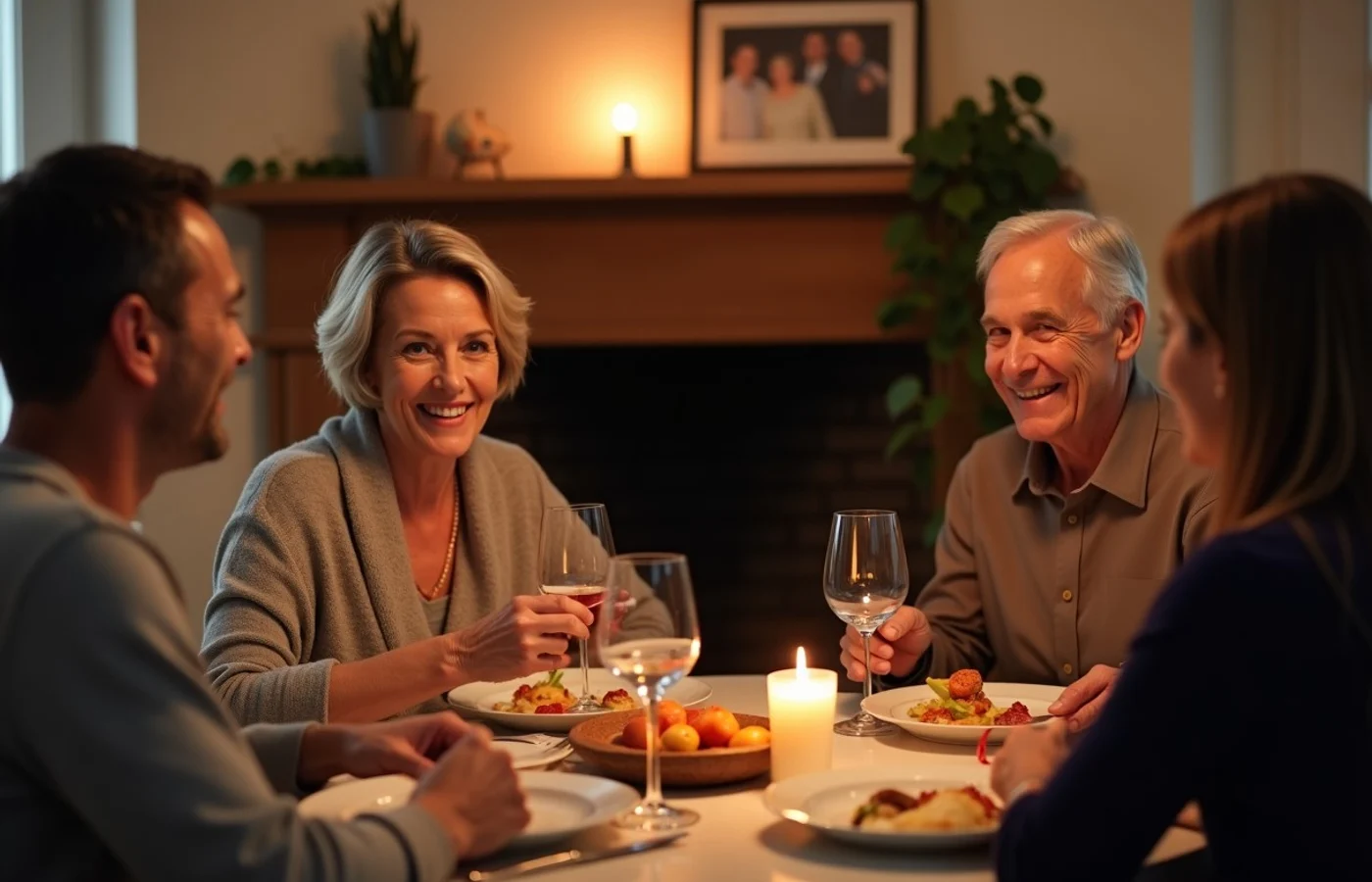
Remembrance is not a problem for a new relationship. A photograph at home, a visit to an important place, family stories, or a private observance on an anniversary can remain part of your life. These acts recognize a marriage that shaped you; they do not assign a new partner the work of repairing your grief.
Comparison is different. When every meal, holiday, habit, or disagreement is measured against the marriage, the new person is being asked to compete with a memory. They will never occupy the same role, and they should not have to. Notice what you are comparing—humor, patience, spending, or affection—then talk about the present relationship on its own terms. Private rituals and memories can coexist with new traditions, new jokes, and a partner whose strengths are entirely their own.
State whether you want companionship or marriage
Companionship and marriage are separate intentions, and neither is a lesser form of dating. Some people want regular company, shared meals, travel, affection, and a committed partner without a plan to marry. Others hope marriage returns to their life. Hiding that difference until feelings deepen wastes time and creates hurt.
Early messages and the first few dates give you time to name the broad direction: companionship, a committed partnership open to marriage, or marriage as a definite hope. This is not a promise to a stranger. It is an honest description of what you are open to building. Someone hoping to marry soon and someone who does not want marriage at all are not a close match, even when the conversation feels easy.
Signs grief, family loyalty, and dating are becoming hard to balance
Family reactions often carry grief, fear of change, or an idea that a new partner displaces the person who died. Their feelings merit a hearing, but they do not determine your romantic life. Loyalty to a late spouse lives in remembrance, honesty, and the values you shared; it does not require permanent solitude.
Dating is becoming too hard to balance when each match is measured against the marriage, every date produces crushing guilt, or messages and plans leave you emotionally flooded for days. A slower pace fits when you still enjoy meeting people but need more space between dates. A pause fits when dating has become an attempt to outrun grief or when you have no room to meet another person with basic attention and kindness. Continuing is sound when family disapproval stings but does not govern you, and a new person is allowed to be fully themselves.
Dating after loss asks for honesty, not an audition for a replacement spouse. The marriage remains part of your history, and a future partner deserves to meet the person you are now: someone with memories, limits, and capacity for affection. A relationship that develops at a pace leaving time for remembrance and everyday pleasure does not diminish the life you shared.