
A dating app’s relationship-minded reputation cannot screen out people looking for a pleasant chat, a casual date, or attention. Hinge can suit a serious relationship when its profile-based format brings you people whose stated goals, written answers, and follow-through agree with yours. It wastes time when those pieces repeatedly clash, however polished the app feels.
Published by Dating Online
Hinge’s current mechanics determine whether it supports serious dating

Hinge appeals to serious daters because a profile reveals more before a conversation begins. Photos establish basic attraction, while prompt answers and profile details provide material for a more detailed first exchange. A like tied to a photo or answer says more than a bare swipe: it shows what caught someone’s attention. Once mutual interest produces a match, move quickly from attraction to whether the exchange has direction.
Stated relationship intentions matter, but they are only one field among many. Someone who selects a long-term goal may still be unavailable, undecided, or using the same phrase to mean a committed relationship someday, with no urgency now. Check Hinge’s official product and help pages before building your approach around any setting. Profile fields, discovery controls, likes, subscriptions, and limits on free accounts change over time. The format lets people say more, but you still need to compare their actions with the profile.
Signals that Hinge aligns with your relationship goals
An early indication appears when several details point in the same direction. Their profile describes a life that can include a partner, their stated goal fits yours, and their answers offer more to discuss than appearance. They reply with interest, ask reciprocal questions, and move toward meeting after a reasonable exchange.
A willingness to discuss expectations is equally telling. This needn’t be a heavy conversation on day one. It means a match answers plainly when the subject arises rather than turning every mention of commitment into a joke, a dodge, or an argument. Serious dating can include warmth and uncertainty without endless ambiguity.
When matches remain casual despite your stated intentions
One mismatch says little. Someone may have selected an outdated goal, changed their mind, or simply be a poor fit. Concern arises when most of your matches describe vague plans, avoid meeting, disappear after early enthusiasm, or describe a future relationship while refusing any present-day intention.
That result often comes from the pool available to you, the preferences narrowing it, or profile wording that attracts a broader audience than you intended. It also reflects a common disagreement over the word serious: one person means exclusive dating after a few good dates; another means eventual marriage with no timetable. Put enough plain detail in your profile to show what commitment looks like in your life, then use early conversation to sort out the rest.
Prompts, preferences, and compatibility evidence
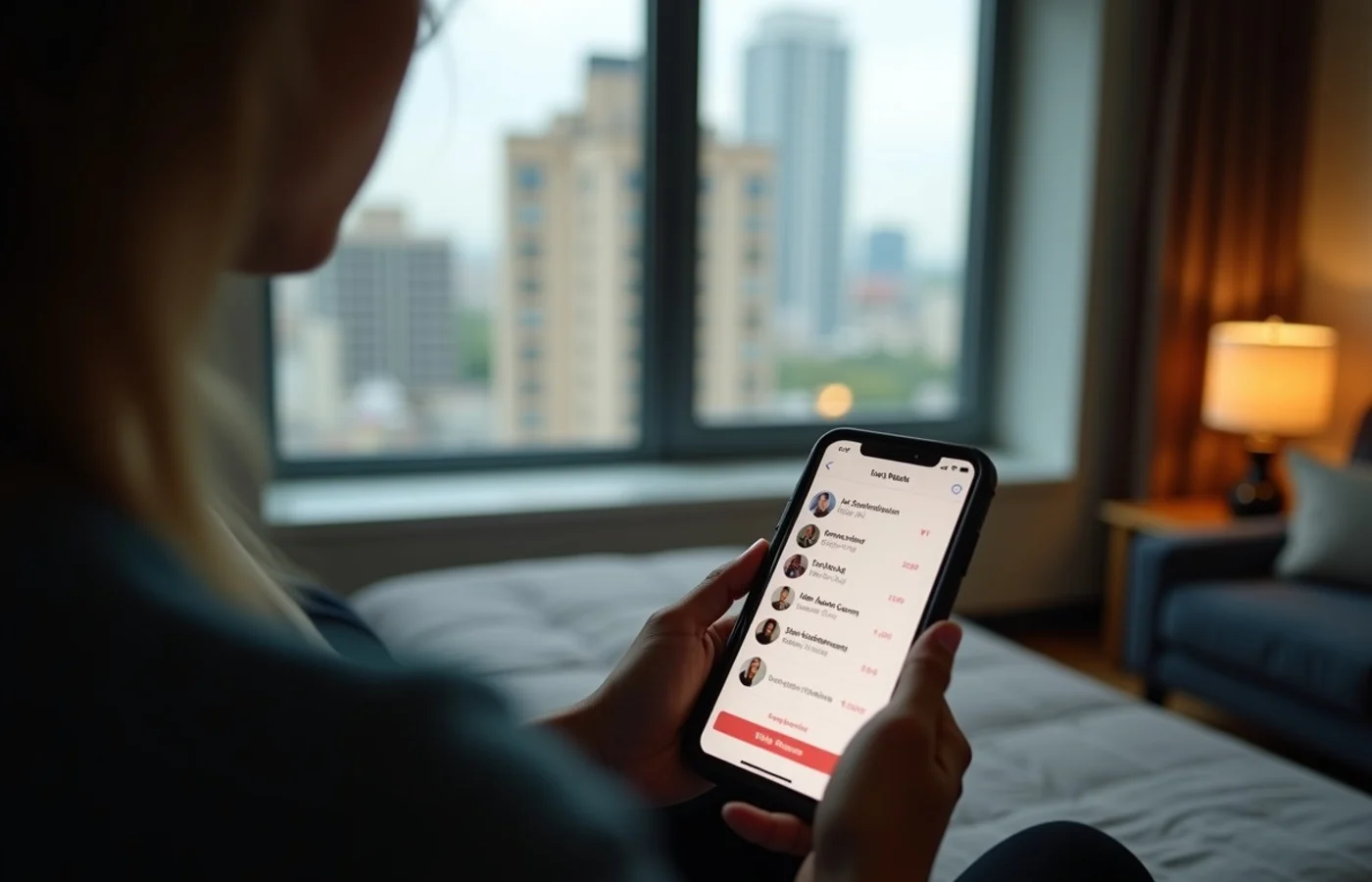
Prompt answers work best when they show daily life. Someone who mentions weekend plans, a busy workweek, what family life means to them, or the kind of home life they hope to build has given you something real to consider. A polished joke may be charming, but it says little about whether two people will enjoy the same daily life.
Use your own answers by the same standard. Details about routines, priorities, faith, children, sobriety, travel, pets, political commitments, or plans to stay in a particular area belong in a profile when they affect who will fit your life. No need to turn every prompt into a screening questionnaire. Two or three details create a more honest picture than a string of broad traits such as loyal, adventurous, and family-oriented.
Preferences and dealbreakers narrow the field, but profile entries are self-reported snapshots. They do not establish emotional availability, financial habits, conflict style, or the meaning behind a relationship label. Those answers emerge through conversation and time.
What response patterns reveal about match quality
A personalized comment is promising because it engages with part of your profile. Reciprocal questions matter for the same reason: both people are learning something, rather than merely taking turns performing interest. Follow-through matters most. Someone who suggests a plan, confirms it, and arrives ready to talk tells you far more than someone who sends dozens of flattering messages.
Give repeated vagueness less patience. Short replies alone are not a verdict; people have demanding jobs, family obligations, and uneven texting habits. Yet a conversation that circles for weeks without a question, a plan, or a direct answer is not moving toward a serious relationship. Don’t confuse frequent notifications with progress.
More potential matches or clearer intent alignment
A larger stream of profiles creates more chances, but it also creates more sorting. That route suits someone who lives in a smaller dating pool, has flexible preferences, or is willing to spend time reading profiles and declining poor fits. More volume does not improve the share of people seeking the same relationship; it simply gives you more people to evaluate.
Clearer intent alignment reduces wasted conversations, especially when certain life choices are nonnegotiable. Use preferences and dealbreakers for facts that would end a relationship before it began. Expect a smaller pool once several requirements stack up, and remember that filters only work with the information people choose to enter. Paid features deserve scrutiny on this point: a subscription is worthwhile only when its current controls address a real problem in your search, such as seeing more relevant profiles or applying a needed preference. It is not proof that the people behind those profiles are more committed.
Test the fit before investing more time
- Use Hinge consistently for two to four weeks with a profile that states your relationship goal in ordinary, specific language.
- Record how many conversations involve substantive profiles, reciprocal interest, direct answers about goals, and follow-through toward a date.
- Review Hinge’s current official help and product pages, plus the subscription screen in the app, for the free-account limits and paid features that apply when you are considering payment.
- Continue when the app produces enough compatible conversations to justify the time. Pay only when a current paid feature fixes a specific limitation. Consider another platform when the same casual mismatch dominates despite a well-written profile and sensible preferences.
Hinge is not a shortcut to commitment, but its profile-led design gives serious daters more to work with than a photo and a quick reaction. Give the app a defined trial, judge the conversations it actually produces, and ignore the temptation to pay for more access before you know what is missing. The quality of your matches matters far more than the size of the queue.