Los Angeles can make a large match pool misleading: a profile a few miles away may still be hard to meet on a weeknight. There is no single ranked list of the best dating apps for gay singles in Los Angeles. Gay-focused apps such as Grindr, SCRUFF, and Archer support nearby LGBTQ+ discovery, while Hinge and Tinder offer profile-led options and broader pools. Choose the route that fits the connection you want, then compare the neighborhoods it reaches, profile detail, and privacy controls.
Published by Dating Online
Across Los Angeles neighborhoods, distance can matter as much as match count
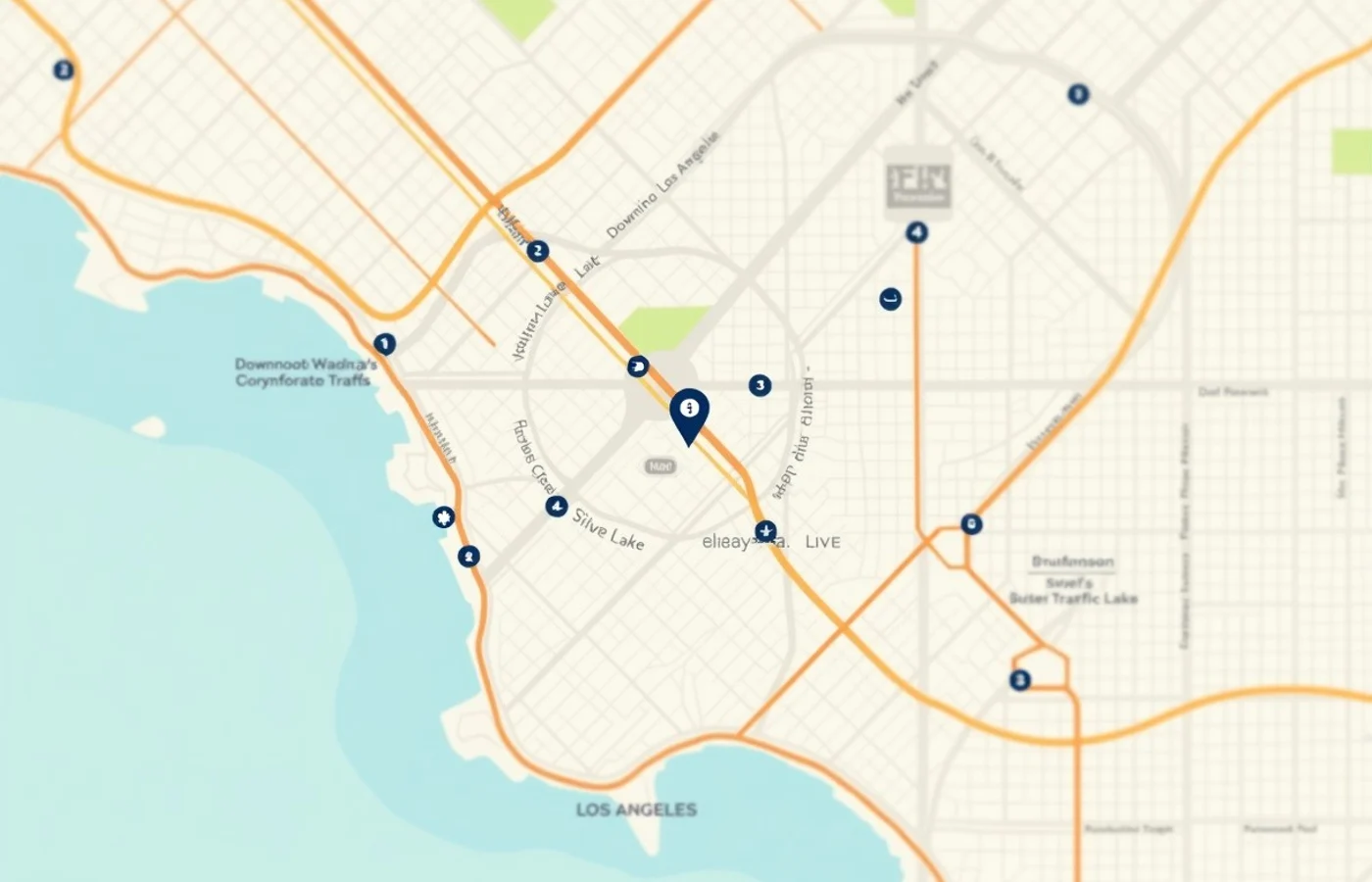
Los Angeles sprawls across separate date zones. A five-mile radius does not carry the same meaning from Silver Lake as it does from Downtown Los Angeles, and a match in West Hollywood may be easy to meet on one evening and impractical on another. Traffic, work hours, and access to a familiar meeting area shape the value of a local result long before a first date is on the calendar.
A radius should reflect the trips you are actually willing to make. Results near home, work, or a regular transit corridor deserve more weight than a larger stack of profiles spread across the county. Where an app offers travel mode, it serves a different purpose: matching before an upcoming trip or widening a search beyond Los Angeles. It should not blur a local search that is meant to produce nearby dates.
Inclusive app design supports clearer identity and compatibility signals
Grindr, SCRUFF, and Archer place gay or LGBTQ+ dating and social connection at the center of their products. That focus makes them sensible first routes for men who want to enter a gay-centered pool. Tinder brings a broader dating pool with orientation and preference settings, while Hinge is a relationship-oriented option for people who place more weight on written profiles and conversation before meeting.
The app name alone does not settle fit. During setup, look at how identity, pronouns, gender preferences, relationship intentions, and profile visibility are handled. Some people want an app where casual dating is easy to state; others want room to signal a relationship, dating pace, faith, age, or family plans without burying that information in a short bio. Compare those fields before investing time in photos and messages. An app that gives you no clean way to describe what you are seeking creates avoidable mismatches.
Recent activity and thoughtful profiles reveal more than headline membership numbers
- App Route: Gay-focused browsing: Grindr, SCRUFF, or Archer Local Signs Worth Looking For: Nearby results at your usual radius, profiles with more than photos, and stated interests or dating intentions that match yours. What Weak Results Mean: A screen dominated by blank bios, distant profiles, or incompatible aims is a poor reason to pay for more access.
- App Route: Relationship-oriented browsing: Hinge Local Signs Worth Looking For: Completed prompts, enough profile detail to identify shared interests, and replies to a small number of thoughtful introductions. What Weak Results Mean: A profile-rich format has little value when relevant nearby matches are scarce or people avoid stating what they want.
- App Route: Broader-pool browsing: Tinder Local Signs Worth Looking For: Orientation and preference results that stay relevant after narrowing distance and age settings. What Weak Results Mean: A broad pool becomes background noise when filters still produce people outside your dating parameters.
Which privacy and moderation tools provide meaningful control?
The central choice is between wider discovery and a tighter public footprint. Someone who works in Downtown Los Angeles and lives near Silver Lake has little reason to reveal a precise home location to strangers. An approximate distance or a general neighborhood often gives enough context for dating without mapping a daily routine. Profile visibility, photo access, and location precision deserve attention before the first match appears.
Photo controls matter when pictures include a workplace, home interior, child, or other identifying detail. Blocking should remove unwanted contact quickly, while reporting needs a route for impersonation, harassment, and fake accounts. An app earns more trust when its current safety information explains what happens after a report and where users can find help. No feature eliminates risk, but vague controls and unexplained moderation are valid reasons to move on.
Test a short list before paying for broader access
A short trial beats a subscription purchased on hope. Run one gay-focused app—Grindr, SCRUFF, or Archer—alongside Hinge; add Tinder only when a broader pool serves your dating plans. Use the same photos, bio, age range, and Los Angeles radius across the trial so the comparison is not distorted by different profiles or filters.
Before subscribing, each app's own product and account pages should show what remains free, what paid access adds, and which controls sit behind a subscription. At the end of the trial, the useful results are simple: relevant people within a workable route, profiles that state compatible intentions, and safety settings you would actually use. A paid tier deserves attention only when it improves one of those results.
Questions that often come up
Is West Hollywood a sensible center point for a Los Angeles search radius?
For someone who spends time there or is willing to meet there regularly, yes. It is less suitable as a default center point when your work, home, and preferred meeting areas sit elsewhere. Set the radius around the part of Los Angeles where a weekday date would genuinely fit.
Is a broad dating app redundant when I already use a gay-focused app?
Not necessarily. A gay-focused app and a broader app often serve different routes: one may feel more direct for LGBTQ+ discovery, while the other may offer a different profile style and relationship framing. Retain both only when their nearby results are materially different.
What should gay singles over 60 prioritize on Los Angeles dating apps?
Give profile detail and usable location settings more weight than quick swiping. Choose apps that let you read enough before contacting someone, state your relationship intentions clearly, and limit results to neighborhoods you are willing to visit.
In Los Angeles, use a tighter first screen and be clear about what counts as local. Put the app with nearby results that fit your relationship intent ahead of one with a bigger name or longer stack of profiles. Check that fit before paying for broader reach, then decide whether extra access is useful.