
Washington, D.C., dating rarely stops at the district line: a match list may include people in Maryland and Virginia, so local usefulness depends on both faith fit and travel range. For Catholic singles, compare apps by the depth of their Catholic and relationship-value filters, then inspect verification, moderation, privacy, blocking, and reporting controls. No badge or safety promise establishes that a member is trustworthy. The strongest choice is the service whose current controls you can inspect and whose local reach fits the distances you will actually travel.
Published by Dating Online
What safety claims on dating apps really indicate
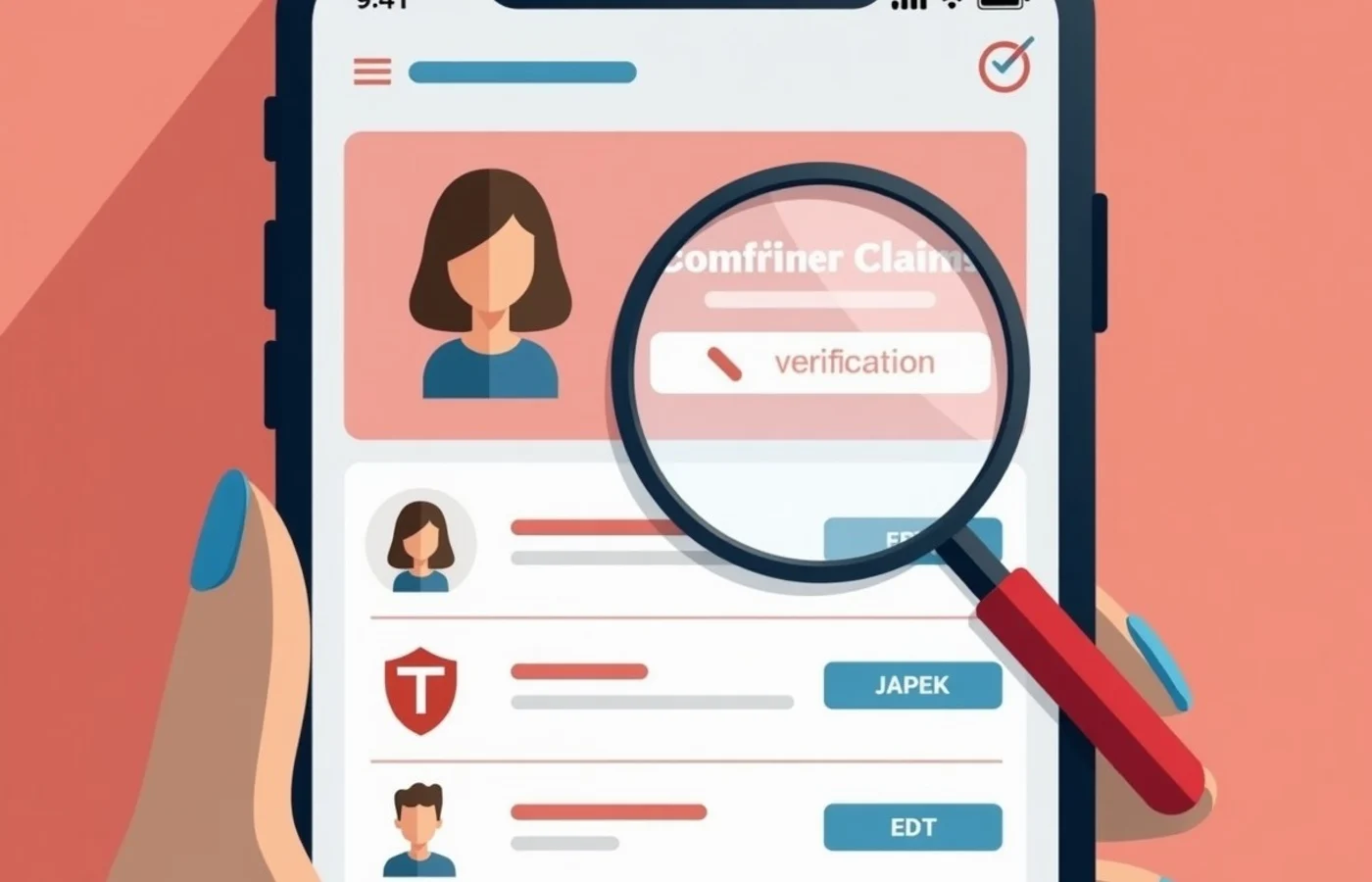
A verification badge usually confirms one narrow account step, such as a submitted photo or contact detail. It does not confirm a person’s identity in every respect, intentions, faith practice, or conduct after joining. Moderation language has the same limit. A service that describes reporting review, account removal, or fraud prevention is telling you how it says it operates; the statement does not prove that every harmful account is caught or that every report receives the same result. These features still matter because they reduce uncertainty about the platform’s process and give you a route to object when an account breaks the rules. Read the claim precisely. “Verified” and “actively moderated” carry less weight when the app does not explain what gets checked, what behavior violates its rules, or what happens after a report.
Catholic identity tools can improve fit without proving trustworthiness
Catholic filters earn their place when they sort for the parts of faith that affect a relationship. Denomination is a starting point. Prompts about worship participation, the role of Catholic practice, family expectations, and relationship values reveal more than a single religious label. A faith-focused service often gives those subjects more room in the profile and search experience. A broader app with Catholic filters may offer a larger pool or different local reach, while leaving more of the religious conversation to the profile and messages. The trade-off is straightforward: deeper faith fields improve relevance, but they do not verify the account holder’s conduct or sincerity. Review the profile closely, use the app’s identity and moderation controls, and let Catholic compatibility answer one question only: whether the person’s stated practice and relationship aims fit yours.
When matches span Washington, D.C., Maryland, and Virginia
The Washington metropolitan area turns distance into a real selection issue. A match in the District, Silver Spring, Arlington, or another nearby jurisdiction can sit within the app’s radius while requiring a very different trip, schedule, or crossing point. Location labels also deserve attention: confirm whether the service displays a current city, a broad metro area, or a distance calculated from an imprecise location. A 15-mile radius is a useful illustration, not a universal boundary. It may include matches you would rarely meet because of traffic, transit connections, work schedules, or the Potomac crossing. Set the search around places and travel times that fit your week, then check whether the resulting member pool remains active enough to justify the tighter boundary. Washington reach is valuable only when the distance setting reflects your actual dating life.
Account signals reveal how seriously a platform manages abuse
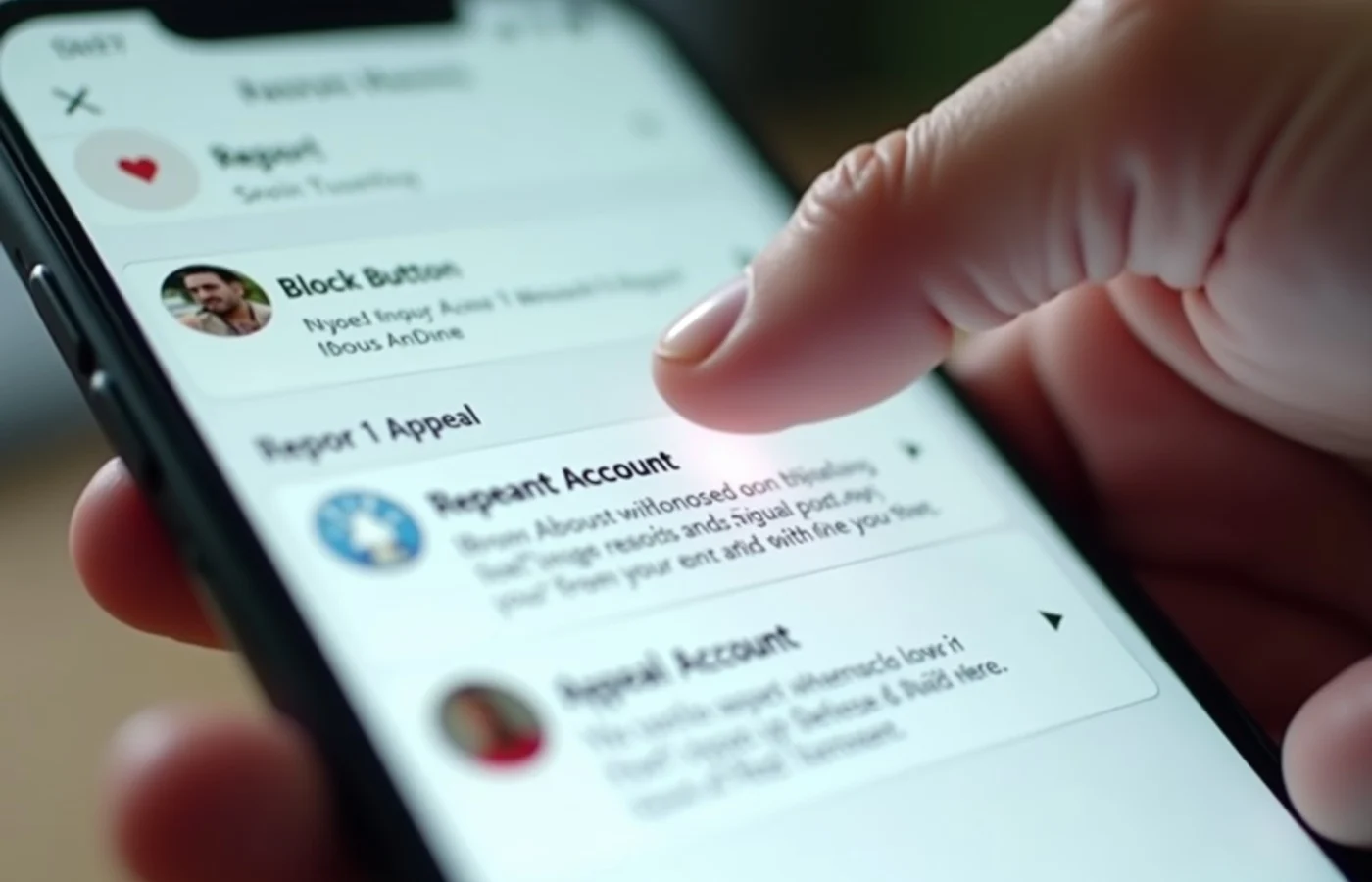
The strongest account information is operational. Look for the scope of verification, plain-language enforcement explanations, an appeal route, controls aimed at repeat accounts, and a report option that stays available from a profile or conversation. Vague promises about a “safe community” tell you little without these details. Review whether the service distinguishes impersonation, harassment, fraud, and unwanted contact; separate categories show that reports are not being treated as one undifferentiated complaint. A platform does not need to promise perfect enforcement to be worth considering, but it should explain enough for you to understand what happens after a problem is submitted.
Privacy, blocking, and reporting controls
Profile discoverability
Look for settings that limit who sees your profile or pauses discovery without deleting the account.
Contact permissions
Check who can send a first message, whether unmatched accounts can reach you, and whether message requests can be restricted.
Location precision
Prefer a city or broad area display when exact distance or location detail would expose more than you intend.
Photo access
Inspect whether photos are public, limited to approved viewers, or downloadable by other members.
Blocking behavior
Confirm that a blocked account disappears from discovery and cannot reopen contact through the same account.
Report categories and confirmation
Use the available categories to identify the conduct at issue, then look for confirmation that the report was submitted and a way to follow its status.
Verify protections through current policies and hands-on testing
1
Read the current safety center for verification, harassment, fraud, impersonation, and report-handling rules.
2
Check the privacy policy for profile visibility, location data, photos, messages, retention, and deletion.
3
Open the help documentation and find the stated appeal process, repeat-account policy, and account-removal explanation.
4
Review the app-store update history for recent changes, then compare those notes with the controls shown in the account you create.
5
Test discovery, distance, Catholic filters, blocking, and reporting before paying or building a full profile. Features and enforcement change over time, and some controls vary by account, device, location, or rollout.
A faith-focused community or a broader app with Catholic filters
A Catholic single in Washington who wants faith practice to shape the first search will usually get more relevant browsing from a faith-focused community. That advantage matters when denomination, worship participation, and relationship values are central to compatibility. Its local usefulness still rests on current member activity across the District, Maryland, and Virginia, not on the label alone. A broader platform with Catholic filters fits better when match volume, distance controls, or wider search options carry more weight. Compare both types on five points: the depth of Catholic fields, the number of local profiles returned after filters, the precision of location controls, the strength of blocking and reporting, and the detail of moderation and appeals information. Use the service that passes the protection check and leaves enough Washington-area matches within your real travel range. A large pool cannot compensate for weak controls; a finely tuned faith filter cannot compensate for an unusable local pool.
For Catholic singles in Washington, D.C., app safety rests on two separate tests: the service must show how it handles accounts and reports, and its faith and distance tools must produce a pool that fits your life across the District, Maryland, and Virginia. Verify those details in the current app before investing time in a full profile. Reject any service that makes broad safety claims while hiding its reporting, blocking, or enforcement process.