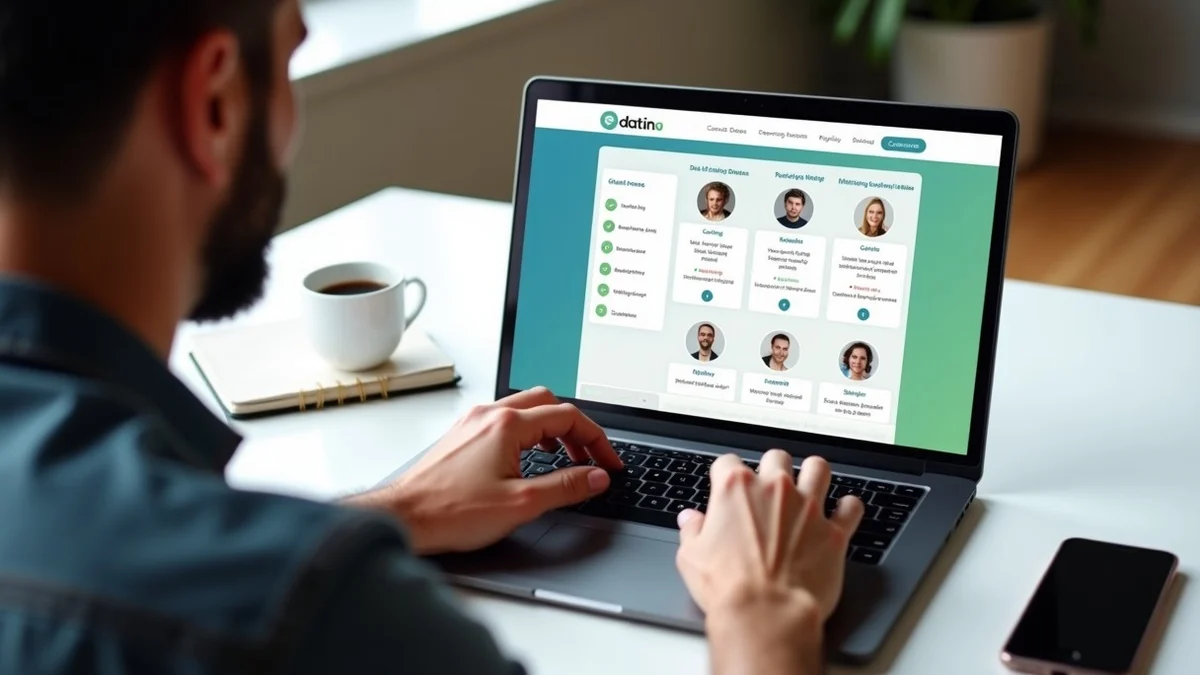
A post-service move, a settled civilian routine, or a willingness to relocate changes what a dating site needs to provide. Veterans seeking a committed relationship should compare a veteran-focused site with a larger mainstream service, then select the one with compatible local profiles, stated relationship goals, and account settings they are comfortable using. MilitaryCupid offers a military-centered starting point; eHarmony, Match, and Hinge provide broader romantic-dating pools. The stronger option is the one that holds up in a current side-by-side review.
Published by Dating Online
After military service, platform fit may look different

A settled address narrows the search to people who actually live within reach. A veteran who expects another move has a different question: does the site let them state relocation plans and search where they expect to be? Civilian work hours also matter. Someone with Tuesday evenings free needs profiles whose schedules and relationship plans fit that life, not a military label attached to an otherwise thin service.
Service history belongs in a profile only to the extent that it helps screen for compatibility. Mentioning branch, era, job, deployment locations, unit details, or personal records is not required to date well. A brief reference to veteran status or the role military life played in your past gives interested matches context without turning the profile into a service record. The same restraint applies to photos: use current images that show your life now, and leave identifying military documents, locations, and personal contact details off the profile.
Commitment deserves equal weight. Someone seeking marriage or a long-term partner benefits from a service where profiles can state that plainly, discuss daily life, and narrow results by household-related values such as children, faith, smoking, or willingness to relocate. Shared military context matters to some veterans, but it cannot replace those basics.
Commitment features matter more than veteran branding
A profile with only photos and a short greeting leaves too much unanswered for someone dating with long-term intent. Give priority to services that present relationship-goal fields, substantive prompts or compatibility questions, filters that address major life choices, and enough profile space to distinguish a future partner from a casual chat. Controls over who initiates contact also matter when unwanted messages would derail the experience.
eHarmony presents itself around compatibility and relationship-oriented matchmaking, while Match serves a broad romantic-dating audience and Hinge is a dating app for meeting romantic partners. Compare their live versions on the features above, not on their advertising language. MilitaryCupid's military focus may create a stronger opening point for shared experience, but serious dating still depends on what members disclose and what the service lets you filter.
Behavioral signals that test a site’s serious-dating claims

An active compatible pool shows up quickly in the results: complete profiles nearby, recent-looking activity indicators where the service displays them, and people who state a relationship goal that matches yours. Read enough profiles to see whether work, family plans, relocation, and day-to-day life receive more than a passing mention.
Conversation quality belongs in the comparison. Do replies refer to the profile, and do exchanges reach basic compatibility without pushing for personal contact details? A site full of vague bios, stale-looking results, or people who avoid answering about dating goals has failed the comparison, regardless of its branding.
Does a veteran-focused site offer a better match pool?
MilitaryCupid
Veterans who place shared military context near the top of their search and want a dating website focused on military singles.
A military-centered audience gives service history a defined place in the dating conversation.
Check nearby results, profile depth, relationship-goal alignment, contact controls, and whether veteran status is verified. A military-focused name does not establish member identity, activity, or relationship outcomes.
eHarmony, Match, and Hinge
Veterans whose priority is a broader pool of relationship-minded people in their current city or a future destination.
These services reach general romantic-dating audiences, giving a veteran more chances to weigh shared values, schedules, and plans alongside military background.
Review the current filters, profile prompts, local results, visibility and contact controls, and paid-message rules. Shared military experience may be less common and should be addressed discreetly in the profile.
BlackPeopleMeet
A Black veteran who wants a dating website focused on Black singles and considers shared community important alongside a committed relationship.
Its audience focus may matter more to the search than a military-specific label.
Use the same review of the local pool, relationship goals, account controls, pricing, and renewal terms. A demographic focus alone says nothing about seriousness or verification.
Score each finalist against the same current evidence
Score each finalist from 0 to 2 on relationship-intent fields; profile depth and filters; nearby compatible results; account and contact controls; and the match between your future location and search area. A zero means the feature is absent or unconvincing, one means it partly serves the search, and two means it directly supports it. The totals will not find a partner, but they keep a memorable brand name from driving the whole decision.
Before paying, read each service's current feature pages, then inspect what a free account actually shows in your intended area. Review the app-store listing or in-app disclosure for account handling, open the pricing screen, and read the renewal terms before entering payment details. Note the date of each check. Features, subscriptions, and account controls change, so an old comparison is thin footing for a current choice.
Start the first serious trial with the site showing stronger local results and fewer compromises on account controls and relationship intent. MilitaryCupid is a sensible finalist when shared service experience is central. Give a mainstream service equal consideration when current results show more compatible people where you live or plan to live.
Veteran status can shape a dating conversation, but it should not restrict a serious search before the local pool justifies it. Put MilitaryCupid beside eHarmony, Match, Hinge, or another service suited to the life you live now. Review the current product, keep personal details to yourself when needed, and spend time where compatible profiles are actually present.