
A dating site that celebrates creativity but obscures relationship intent is a poor bargain for anyone seeking a lasting partner. For artists looking for serious relationships, put Hinge, OkCupid, Match, and eharmony side by side on the things that affect daily life: stated dating goals, room to describe your work, local profiles, and access to meaningful conversation. An arts-focused label alone says very little about whether two lives will fit.
Published by Dating Online
When creative work shapes schedules, income rhythms, and identity

Creative work often reaches into the hours around a date. A painter preparing for an opening may spend several nights in the studio; a freelance designer may face a sudden client deadline; a musician may travel or work when other people expect a free weekend. Public-facing work brings another wrinkle. Some artists spend an evening talking to strangers at a show, then need quiet time afterward. None of this makes a serious relationship less likely. It does make a vague expectation of constant availability a bad fit.
Financial predictability deserves plain treatment, too. An artist does not need to defend an uneven month or turn a dating profile into a budget statement. Still, profiles and conversations should leave room for an honest account of work rhythms, travel, and priorities. The right match respects a late rehearsal, a production week, or a lean period without treating creative work as a charming hobby that must eventually give way to a more conventional life.
Relationship-intent signals matter more than an arts label
A generic creative community can produce lively conversation and still deliver people seeking something casual, distant, or undefined. Serious dating calls for stronger information: a stated long-term relationship goal, compatible views on marriage or family plans when those questions matter, and profile details that describe the kind of life someone is building.
Hinge offers prompt-based self-description, while OkCupid may suit artists who want detailed profiles and compatibility questions. Include Match and eharmony when commitment is the main concern. Compare what people say they want with their photos, location range, time expectations, and life plans. A gallery photo is pleasant, but shared intentions matter more.
Signs a platform can surface compatible creative partners
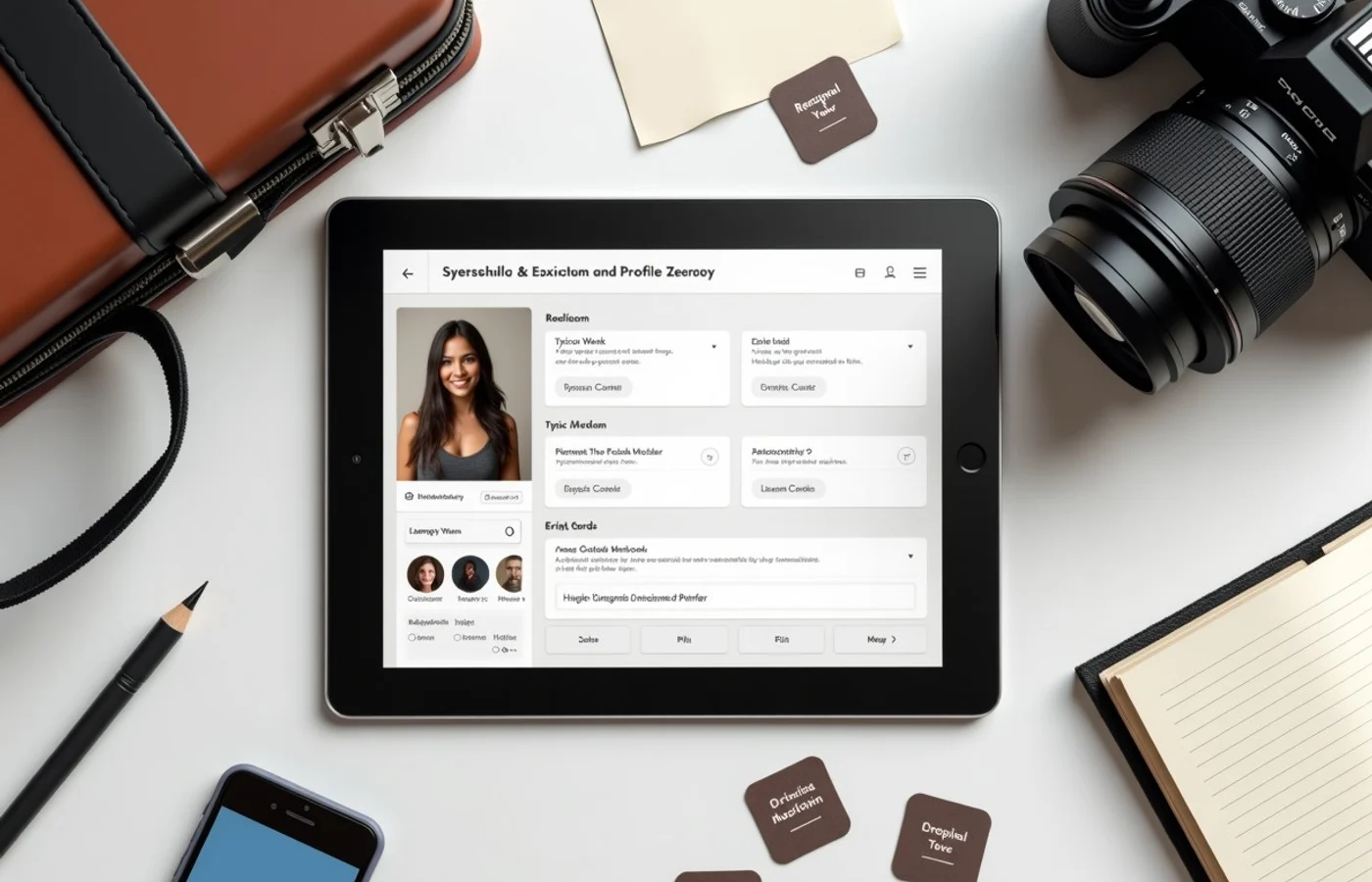
A creative identity needs room for explanation without turning the profile into a sales pitch. Choose prompts or fields that let you name your medium, describe a typical week, and mention interests outside work. Broad occupation labels are often enough: a photographer, teacher, and architect may all enjoy museums, late dinners, or weekend hikes without calling themselves artists.
Hinge offers a compact route through prompts and interests. OkCupid deserves attention when you want a fuller account of values and lifestyle. Match is a sensible comparison point for search-oriented discovery across a broader pool, while eharmony is worth testing when a long-term relationship focus matters most. The deciding factor is what appears after you apply your actual distance and age preferences. A handsome interface does not solve an empty local feed.
Location controls matter more for artists whose work ties them to a studio, venue, campus, or recurring market. Use the same radius on every service, then see whether nearby profiles contain enough detail to distinguish a compatible life from a pleasant photo. Treat an external portfolio link cautiously; your dating profile only needs to explain your work, not invite strangers into every public account.
Will the app support both self-expression and sustained conversation?
Photos and prompts should show more than a finished piece of work. A few images of a studio visit, a favorite neighborhood, or a non-work ritual give a prospective date something human to respond to. The profile should still make room for the relationship you want; creative flair does not excuse ambiguity.
Check messaging rules before investing much time. Read each service's current terms to see who can send and read messages, which discovery tools require a subscription, and whether you can judge fit before paying. Appealing profiles are of little use if meaningful conversation is blocked. Compare communication limits with the profile experience before building a long list of matches.
Shortlist platforms by testing the real match pool
- Build a shortlist of three or four services, including Hinge, OkCupid, Match, and eharmony where they fit your preferences.
- Use the same truthful relationship goal, age range, distance range, and core profile details on each account.
- Use the available serious-relationship selections and interests, then count nearby profiles with enough detail to show whether their lifestyle fits yours.
- Review each service over the same seven-day period, recording the quality of profiles, the range of creative and non-creative lives represented, and the access needed to exchange messages.
- Retain the service where local profiles, relationship intentions, and communication access line up without asking you to guess what the other members are seeking.
The strongest site for an artist is not necessarily the one with the most art references. It is the one where long-term intentions are legible, a creative working life fits naturally in the profile, and nearby people give you enough information to make a serious choice. Put the shortlisted services through the same one-week test, then spend your attention where the local pool holds up.
Sources for this guide
- Hinge — official information — Hinge
- OkCupid — official information — OkCupid
- Match — official information — Match
- eharmony — official information — eharmony