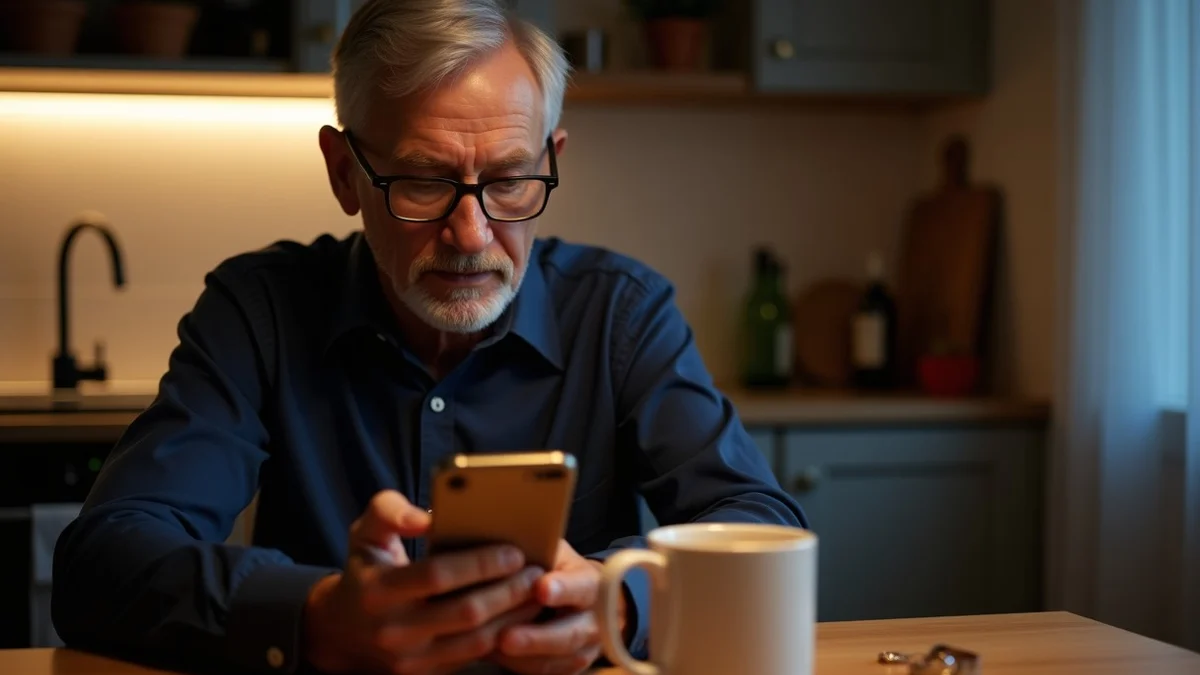
On a hypothetical Tuesday evening, a widower opens a dating profile, feels hopeful for a moment, then closes it because the act feels disloyal. Dating toward marriage is sound when he wants to know a new partner as an individual and share a future, not recruit someone to rebuild the marriage he lost. Grief need not be finished, but it must not direct every date.
Published by Dating Online
What Mixed Feelings About Dating Again May Mean
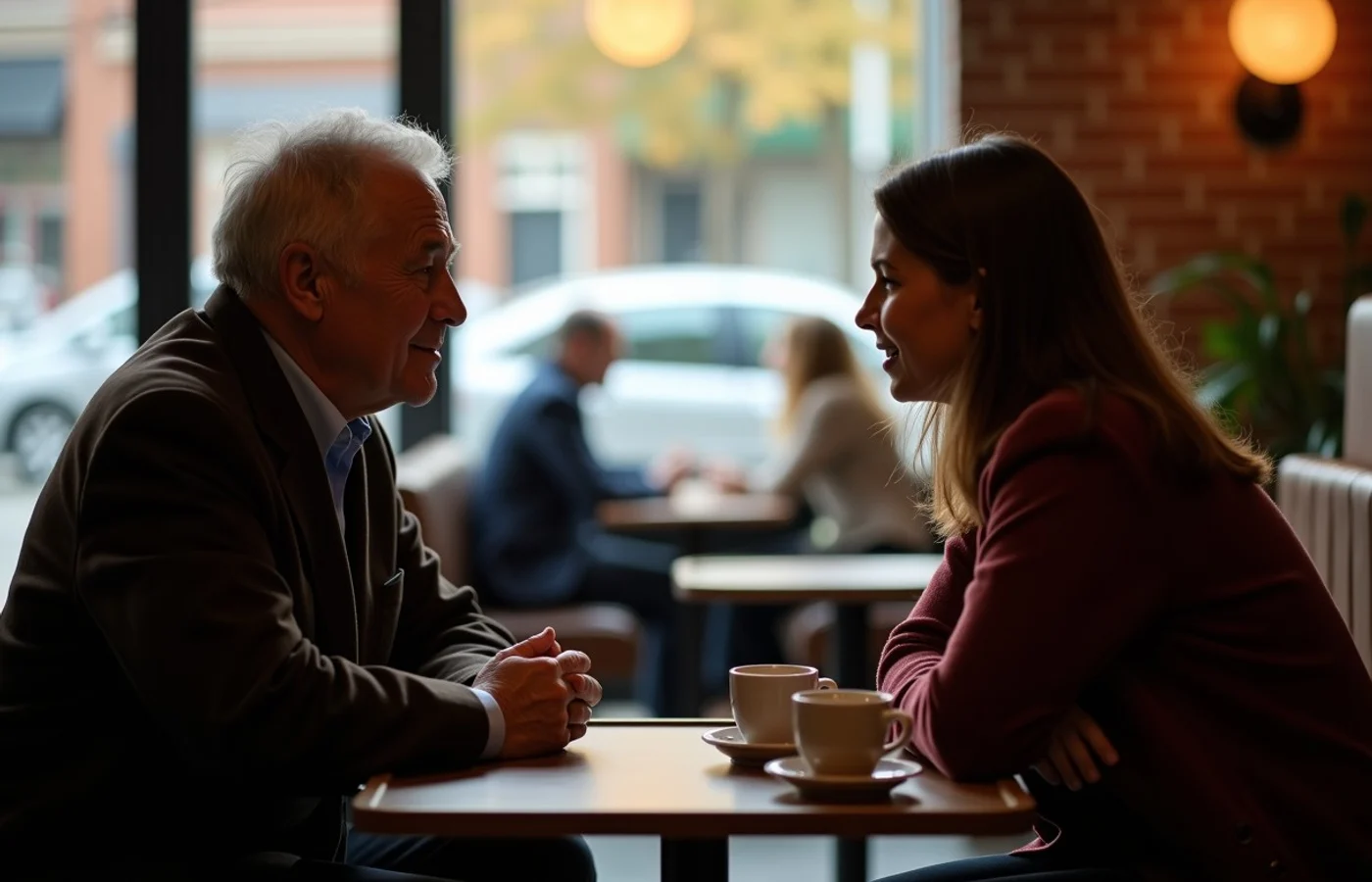
Several emotions often arrive together. Loneliness asks for company after the house has gone quiet; guilt treats a meal, flirtation, or first kiss as a betrayal; curiosity and hope point toward a life that still contains partnership. None cancels the others. The important question is not whether sadness appears. It is what he expects a date to do with it.
Readiness shows up in everyday ways: he can talk about his late spouse without turning the whole evening into a memorial; he is interested in a new partner's opinions and habits; and rejection or a canceled date does not make the original loss feel as if it happened yesterday. He can enjoy a date without needing it to answer every question about his future. Support and routines beyond dating help ensure that a new relationship is not expected to end loneliness. An anniversary or sudden grief does not disqualify him. Time on the calendar says little. Marriage should be a future choice with a new person, not an escape from an unbearable present.
How Should You Talk About Marriage and Your Late Spouse?
A profile has only a few lines to establish direction. It should state that you seek a committed relationship with marriage in view, then add real details about daily life and interests. Widowhood need not sit in the opening line, although including it is fine when it feels like a straightforward part of your history. Before a first date becomes emotionally weighty, disclose it plainly in conversation. Delaying it until attachment is formed creates an avoidable sense that a major fact was withheld.
When the subject of your late spouse comes up, answer honestly and with proportion. Mentioning a favorite memory or explaining a difficult date on the calendar is normal; recounting the marriage in exhaustive detail turns a first date into a grief archive. Comparing a new partner's appearance, cooking, affection, faith, or family ties with those of your late spouse puts that person in a contest nobody agreed to enter. A new partner is entering a new relationship, not applying for a former one.
A New Relationship Can Grow Without Erasing the Past
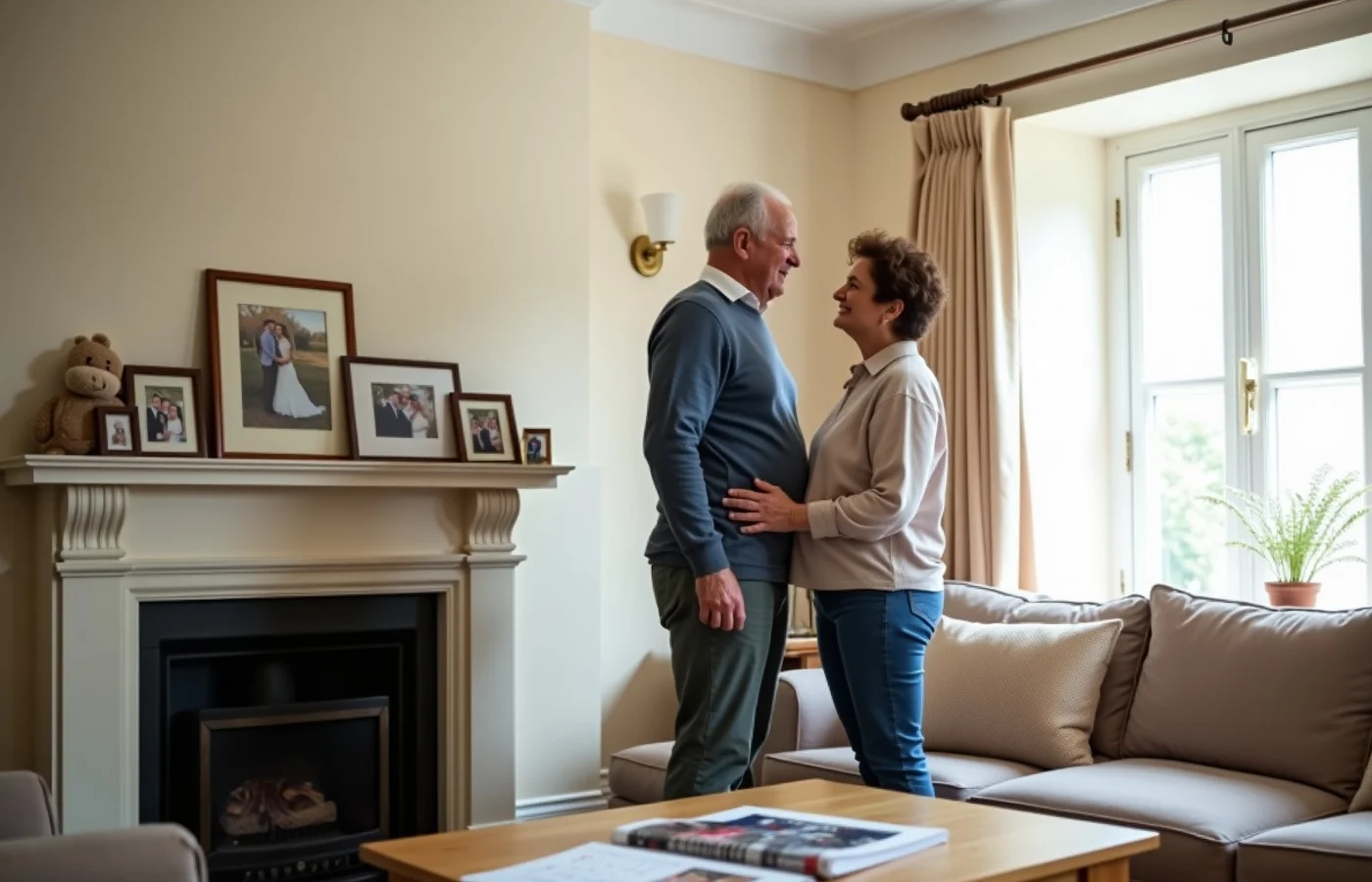
Photographs on a mantel, an annual visit to a place connected to the marriage, or a family holiday tradition may come up as dating grows more serious. None automatically means a widower cannot care deeply for a new partner. They do call for an honest conversation, because a future spouse deserves a home and calendar that include their life, choices, and memories too.
Some remembrance belongs to the widower alone; some belongs with adult children and longtime friends. A current partner should not be drafted into every ritual, nor expected to accept every corner of shared space as untouched. A conversation should cover what remains where it is, what moves to a private album or another room, which traditions stay, and which holidays will be newly shaped together. Love after loss does not erase the first marriage. It does require that the next marriage has its own photographs, trips, meals, and private language.
A Deliberate Path Toward Remarriage
Early commitment can feel like relief after years of caregiving, loss, or living alone. That relief is a weak reason to set a wedding date. Exclusivity should come after both people decide to stop meeting others, and the relationship needs time to include disappointments, holidays, and disagreement. Marriage requires more than fondness and a shared wish for company.
Before an engagement, discuss married life: where each hopes to live, how much time adult children and grandchildren occupy, work or retirement schedules, religious practice, household habits, travel, and expectations about time alone. Say so when the relationship starts taking every evening or moving faster than you want. Introduce adult children after the relationship is established and exclusive, not through a parade of early dates. Their feelings should be heard; the decision to remarry remains yours.
Remarriage after widowhood is not a vote on the marriage that ended. It is a decision to form a different union with someone whose future matters as much as your memories. Bring patience to the search, speak plainly before hope outruns knowledge, and reserve marriage for a relationship that stands on its own.