
Online dating for military singles goes more smoothly when service members explain the shape of their availability, protect operational details, and state their relationship aims early. A profile that identifies military service in broad terms, mentions limited phone access during training, and shows a few dependable times for calls gives a prospective partner something solid to work with without publishing a unit, route, or schedule. Dating can still involve uncertainty; it should not rest on guesswork.
Published by Dating Online
When Duty Schedules Disrupt Normal Dating Rhythms
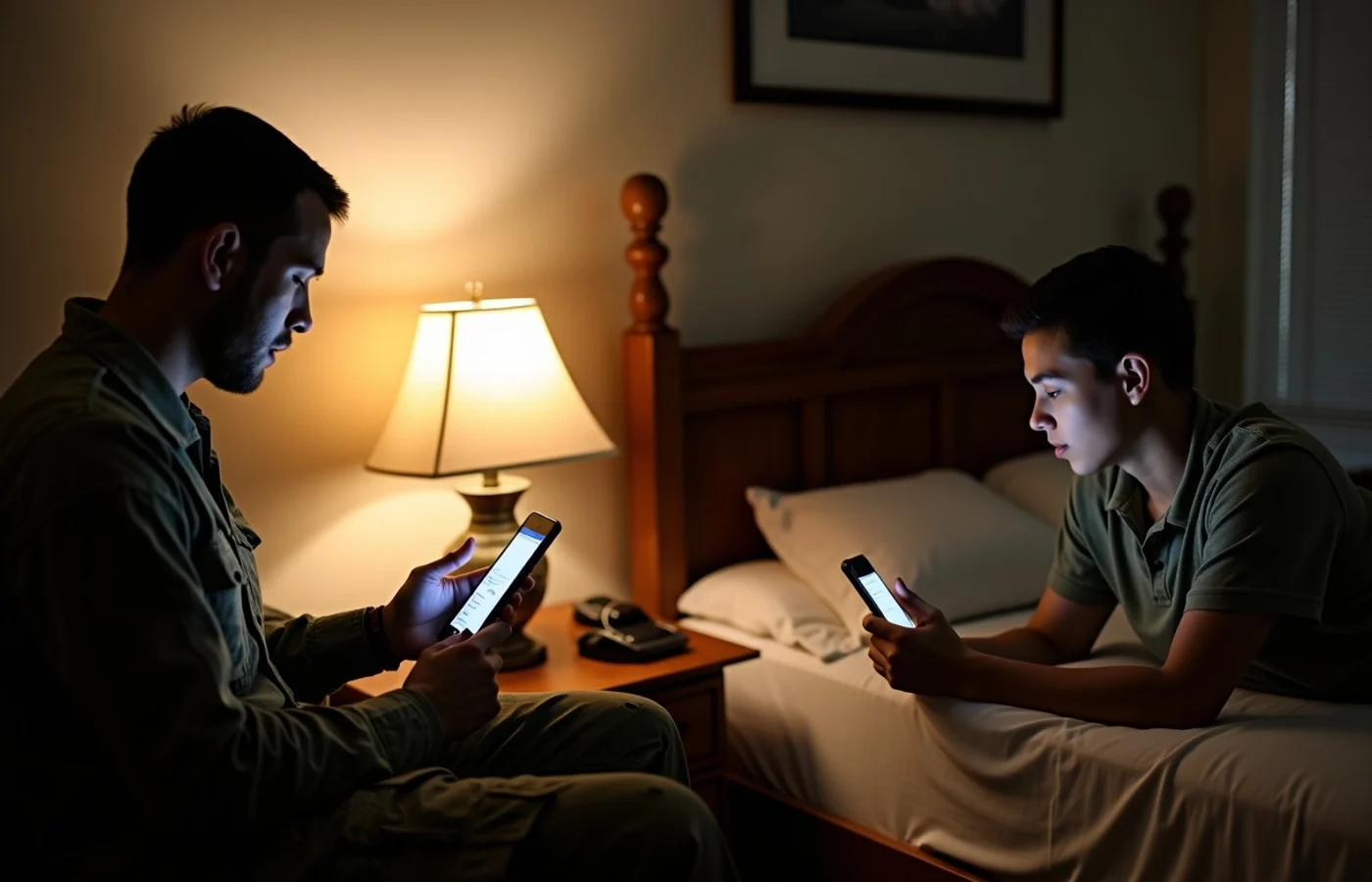
Duty changes, training, leave restrictions, watch rotations, and limited phone access interrupt the quick replies and neatly planned evenings that dating apps encourage. Time zones add another snag: a message sent after one person's shift can arrive while the other is asleep. A single missed reply says little; a cancelled plan is easier to understand when the person explains the constraint and offers a realistic alternative.
What matters is not constant availability but whether the connection has a dependable shape. Someone who is busy can still give a broad window, follow up after a shift, or say when contact will be difficult. Someone losing interest often leaves plans and explanations equally vague. A reasonable early expectation might be two planned calls in a week, but that is only an illustration; the appropriate interval depends on the duty cycle and both people's schedules.
Privacy and Operational Security in Profiles and Messages
A dating profile should carry broad personal facts, not operational information. Precise unit names, work locations, movements, upcoming exercises, departure or return dates, recurring duty hours, credentials, access details, and restricted imagery belong outside a public profile and early private chats. Posting them exposes more than a romantic prospect needs to know and creates a permanent record that is hard to control.
The safer approach is generality: describe service status, a region, broad interests, and the kind of availability a match should expect. Before publishing photos or discussing work, check current command instructions and official operational-security guidance; requirements differ by assignment and organization. Keeping these details limited protects both the service member and the person reading the profile.
Clear Service Disclosure Does Not Require Sensitive Detail

Military service belongs in an honest profile when it materially shapes daily life, but it should share the stage with the rest of the person. Mention the service connection at a broad level, then give space to interests, work outside the uniform, family or community ties when relevant, and the activities that fill free time. A profile built entirely around rank, hardship, or patriotic identity tells a prospective partner little about conversation, habits, or compatibility.
Availability deserves the same plain treatment. State that training periods limit phone access, that leave is planned with some notice, or that relocation is part of the career when those facts affect dating. Leave out exact locations and dates. The resulting profile gives someone enough information to judge the fit without turning the account into a personnel file. A service member seeking a committed relationship should also name that aim in the profile or early conversation, while allowing the connection to develop at its own pace.
How Should You Handle Distance, Moves, and Deployment?
Distance becomes a relationship issue when two people quietly assume different futures. Discuss the likely geography, possible moves, deployment-related communication gaps, visit frequency, and each person's willingness to maintain a long-distance relationship before exclusivity or major travel enters the picture. A move connected to orders is not a promise about where life will settle, and a deployment is not a test that a new partner must pass.
The key questions are practical: how often will contact happen when access is limited, who carries the travel burden, what does exclusivity mean during separation, and what happens when an assignment changes? Answers need not be permanent. They need to be discussed before one person plans around an assumption.
Serious Intentions, Uncertain Timelines
Military singles can be direct about wanting a committed relationship while staying honest about what service controls. Say whether you are dating for a long-term partnership, note the realities of deployment or relocation, and base the relationship on actual conversations and shared plans. Marriage, a move, or a future assignment should remain a later decision, not a promise extracted from early chemistry.
Certainty about your direction is valuable; certainty about the calendar is often unavailable. That combination is more credible than grand assurances. A serious match deserves an honest account of the life you are living, including the parts that have not been scheduled yet.
Military singles do not need to hide service or promise access they cannot guarantee. Give a broad account of the work, protect operational details, explain how contact changes during duty or deployment, and discuss distance before either person builds a future around an assumption. Serious dating starts with honest direction and leaves the calendar open to facts neither partner controls.