
Your profile can show your interests, humor, daily life, and dating intentions alongside current photos that represent you accurately. Confidence does not require making body acceptance the profile’s only subject. Attraction feels welcome when curiosity includes your values and habits; fetishization begins when size dominates every exchange. What belongs in your profile? Details that help a compatible match recognize you.
Published by Dating Online
Authentic profiles can express confidence without self-deprecation
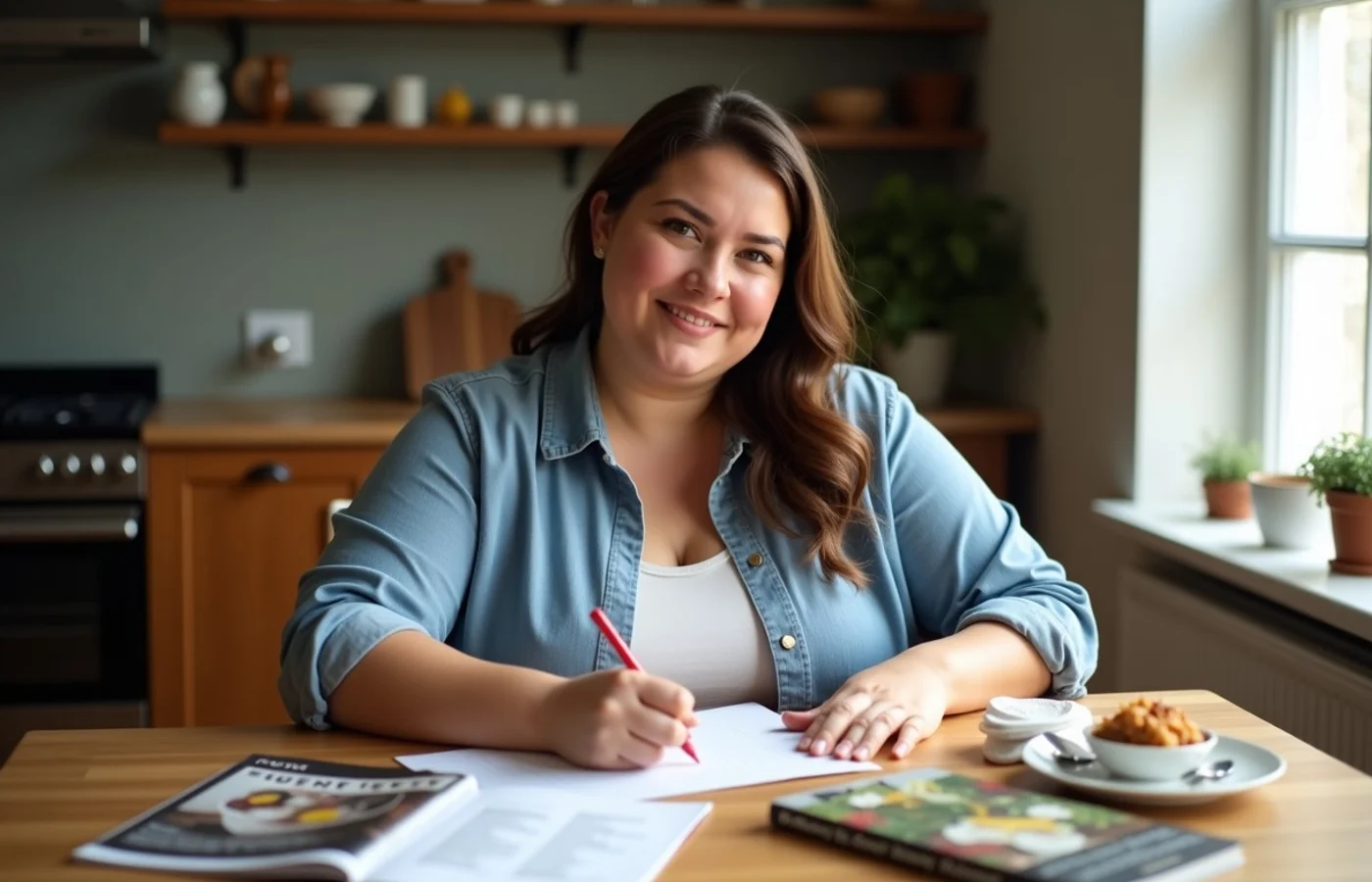
A profile is often skimmed in seconds, so give it real material to work with: what fills your weekends, what makes you laugh, and what kind of relationship belongs in your life. Size can appear plainly if it matters to your self-description, but it needn’t become an apology or a test. A line about being a plus-size woman who loves museum afternoons, home cooking, and a committed partnership says far more than a defensive warning about looks.
Conventional advice sometimes urges people to announce confidence while proving it to strangers. That falls apart fast. Long declarations about loving your body invite the profile to become a debate about your body; self-mocking jokes hand rude matches an opening. State facts with the same matter-of-fact tone used for a love of live music, early mornings, or a child-free future. Confidence reads as specificity, not performance.
Give potential dates several ways to recognize compatibility: a favorite local ritual, an interest pursued seriously, a value that shapes daily life, and a clear dating intention. Mentioning plus-size identity is valid; leaving it out is valid too. Ask one question: does the profile introduce a whole life worth asking about?
What body-focused comments reveal about a match
Attraction is welcome; being reduced to a body type is not. A match may say they find you attractive, then stay interested in the rest of the conversation: your work, sense of humor, plans, opinions, and what you want from dating. Their interest has more than one subject.
Fetishizing behavior narrows fast. The person repeatedly brings every topic back to your size, asks for measurements, treats your body as a category with stock traits, or makes sexual assumptions before they know you. Compliments that sound copied from a search filter—especially when they arrive in a rush—deserve skepticism. Is one appearance comment automatically fetishization? No. The issue is fixation and entitlement.
When the conversation shifts elsewhere, see whether they engage with the details you offer. Someone seeking a date will do so. Someone seeking a fantasy often ignores them, presses for body-related information, or acts disappointed when you steer toward shared interests and relationship expectations. Take that difference seriously early.
When a match asks intrusive questions about your body
Questions about weight, measurements, clothing size, or sexual assumptions are not a required stage of getting acquainted. If the exchange otherwise seems promising, a brief redirect is enough: move the conversation back to the interest, plan, or value already under discussion. You owe no biography of your body to earn basic courtesy.
When the question feels invasive, name that plainly and stop there. Say that you don’t discuss measurements or weight with new matches, or that the comment is unwelcome. Explanations invite debate from people who think access to your body is part of the conversation. It isn’t.
A sexual stereotype, a request for body details or photos, or a push after you have declined calls for a cleaner response: end the exchange and use the app’s block or report tools where appropriate. Is blocking too abrupt? No. A stranger who turns a stated limit into a negotiation has already answered whether continuing is worth your time.
Representative photos and inclusive profile prompts

Use photos that let a match see you as they would at a first meeting: recent, varied, and unambiguous. Include at least one full-body image in a setting you actually visit, plus a close-up in good light. Add an activity photo only when it shows a real part of your week, such as cooking at home, tending balcony plants, visiting a museum, or walking a familiar trail. A full-body photo is not a concession to strangers’ entitlement; it prevents the profile from becoming a guessing game and filters out people seeking a narrow image.
Some people will swipe away sooner after seeing a representative photo. That is a smaller cost than arranging a date with someone who required a curated illusion to stay interested. Skip images that are years old, heavily edited, or cropped so tightly that they hide the shape of your life. A group photo has a place, but it should not force a stranger to work out which person owns the profile.
Profile prompts should widen the frame. A question about a Sunday ritual, a meal you love making, a cause you care about, or a film you will defend gives someone an easy opening. Include details that show your humor, interests, routines, and relationship intentions. Your size is clear in the photos, not the whole story.
State your boundaries around weight and appearance comments
Set limits on your terms early. Compliments about clothing, a smile, or overall appearance may feel welcome; comments about weight, measurements, eating habits, or sexualized body stereotypes may be off limits. State that distinction plainly in your profile or conversation, without defending your size or explaining your history. A clear limit names the comment you welcome, the topic you want left alone, and the response you expect when it comes up.
Limits need follow-through. When someone ignores one, stop answering on that topic and point out the problem once. Continued jokes, repeated questions, or attempts to bargain for access to your body show that the issue is their conduct, not your wording. End the conversation when necessary, then use the platform’s block or report function. Attraction never gives a match permission to turn your body into a public discussion, a punchline, or a condition for basic decency.
Mutual compatibility matters more than external validation
Attention focused on your size can feel affirming, especially after dismissive treatment elsewhere. It still tells you little about whether someone fits your life. A match who repeatedly praises your body but shows scant interest in your work, friendships, humor, beliefs, or plans is offering a narrow kind of approval. The attention feels personal, but it may mostly reflect a fantasy about your body.
Compatibility appears in the substance of the exchange. Shared values surface in discussions about family, faith, money, work, or free time. Reciprocal curiosity means both people ask and answer questions. Consistent effort shows up in replies, follow-through, and plans that account for both schedules. Compatible goals become visible when each person speaks plainly about casual dating, exclusivity, partnership, or marriage.
Physical attraction belongs in the picture; it just cannot carry the whole connection. Someone interested in you as a complete person stays engaged when conversation turns to your ambitions, responsibilities, humor, and convictions. They treat your preferences as information, not obstacles. Attention is pleasant. It is not a compatibility test. Look for interest that remains steady after the initial praise has run out.
Plus-size singles deserve profiles that present the whole person and conversations that treat attraction as one part of compatibility. Recent full-body and activity photos show how you spend time, while specific prompts reveal what you seek. When a match returns repeatedly to weight, measurements, or sexual stereotypes after you object, end the exchange. Attention feels flattering only when it comes with curiosity, consistency, and respect.