
Dog lovers can gauge compatibility by discussing the dog’s actual place in daily life, rather than trading pet photos and assuming shared affection will solve everything. Ask about schedules, living arrangements, household rules, travel, and future responsibilities before the relationship becomes serious. Labels are cheap. Schedules are not. A compatible partner takes the dog seriously without making the animal the relationship’s only subject.
Published by Dating Online
Signs That “Dog Lover” Means the Same Thing to Both of You
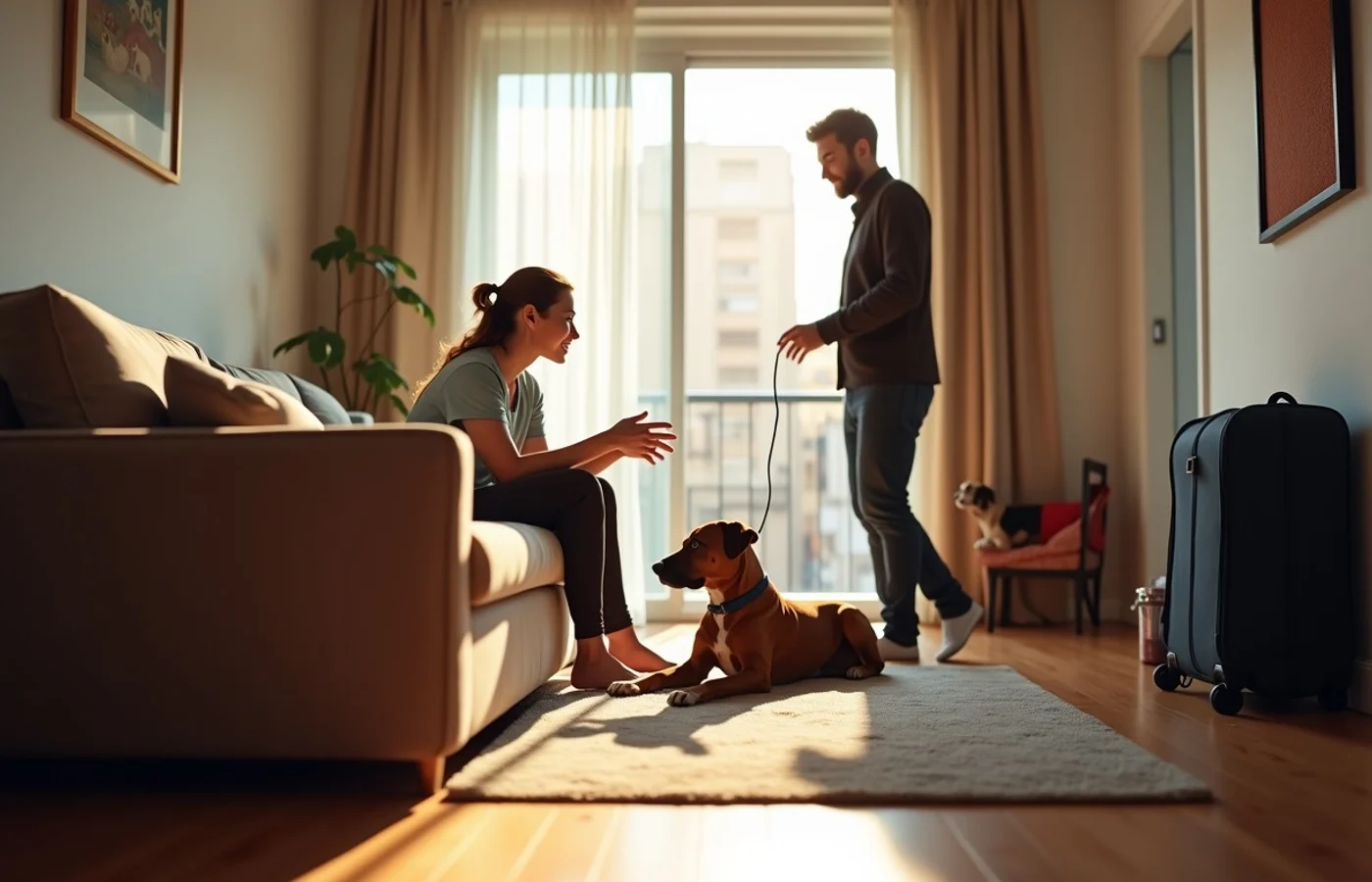
Dog lover covers several very different arrangements. One person enjoys meeting dogs in the park but has no interest in owning one. Another organizes mornings around feeding and walking, fosters animals between homes, or expects a dog to sleep on the bed, join road trips, and attend social gatherings. All of those positions are legitimate. They are not interchangeable.
The comparison is the dog’s place in the household. Someone who wants a dog-free sofa, quiet evenings, and limited pet-related travel will struggle with a partner who treats the dog as a constant companion. Fostering also brings changing routines and temporary goodbyes. Ask what the person actually does with dogs, what they expect from a partner, and which household practices are fixed. Shared enthusiasm matters less than shared living expectations.
An Honest Profile Prevents Avoidable Pet Conflicts
A dating profile should identify the facts that affect a potential partner’s week. State that you own a dog, live with one, foster animals, or spend regular time caring for a family member’s pet. Include the dog’s approximate size, general temperament, and living arrangement when those details shape visits or activities. A large, energetic dog in a small apartment creates different plans from a senior dog that prefers short walks.
State the time commitment plainly. Mention early mornings, midday walks, training sessions, boarding arrangements, or weekends built around the dog. Include firm household practices in the profile: furniture access, sleeping arrangements, no indoor feeding, or a dog-free bedroom. This needn’t turn the profile into a pet résumé. A short paragraph gives a clearer picture than a gallery of fourteen dog photos and no information about your own life.
A profile that appeals to nature lovers still needs this domestic detail. Hiking interests reveal a preferred activity; they reveal nothing about allergies, dog behavior, cleaning standards, or willingness to share a home with an animal. Those are separate questions.
When One Person Has a Dog and the Other Does Not
Different levels of dog experience can fit when day-to-day limits are clear. The dog owner has the existing schedule and remains responsible for care. The other person decides how close they want to get to the animal, including whether home visits feel comfortable, whether pet hair is acceptable, and whether touching or walking the dog interests them.
Allergies and fear belong in the conversation before a home visit. So do housing restrictions, cleanliness preferences, and travel plans. A partner who rents a building with pet limits faces a different future from someone whose housing welcomes animals. Frequent work trips also raise a direct question: who handles care when the owner is away?
Liking dogs alone does not mean someone wants to participate. Some partners enjoy company on walks but never want feeding, sitting, training, or emergency duties. Others hope to share every task. Either arrangement works only when the owner knows which help is welcome and which responsibility remains theirs.
Reading a Dog’s Role in Everyday Compatibility
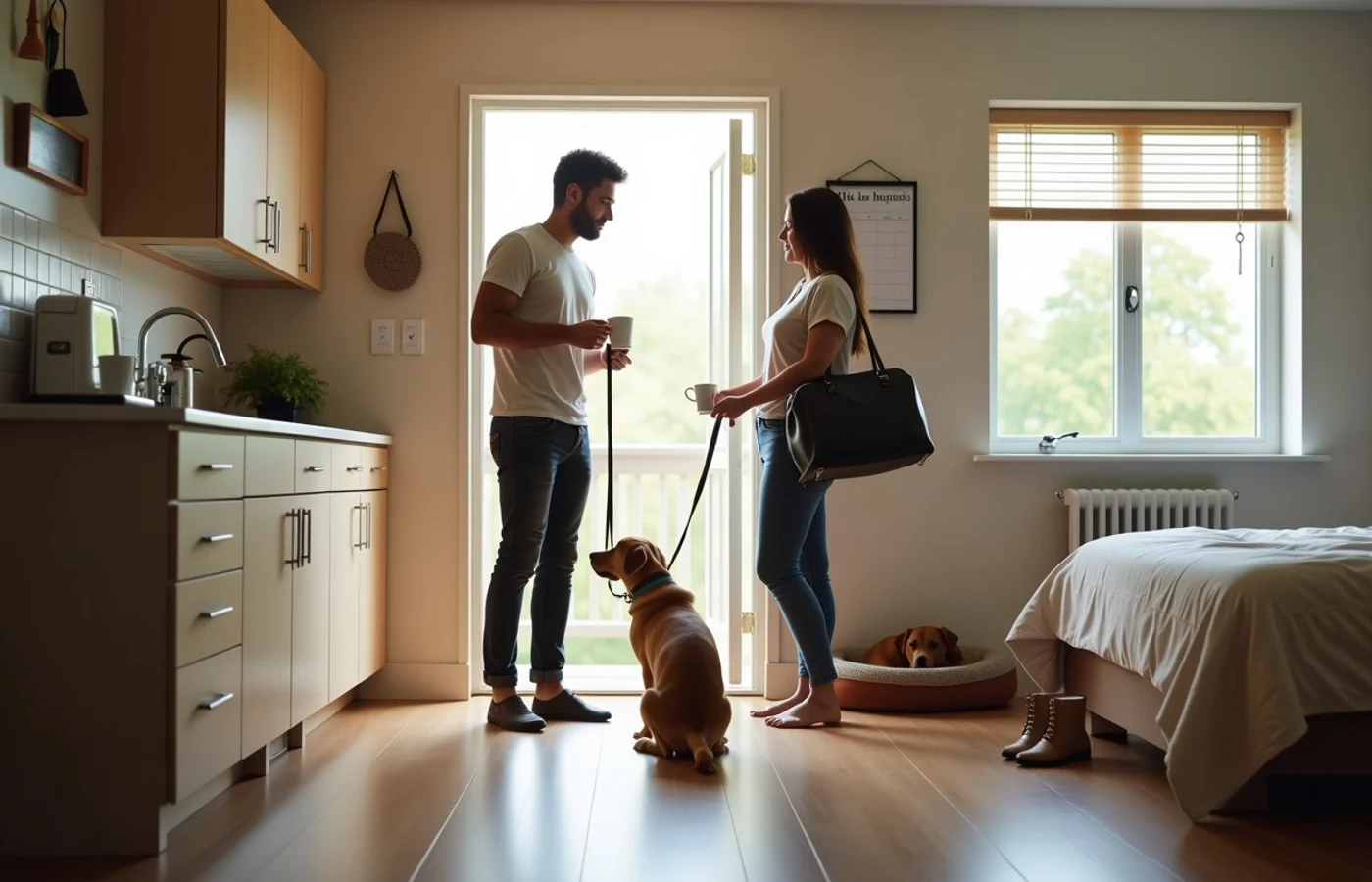
A dog’s role appears in the small mechanics of a day. Feeding times influence mornings and evenings. Walking routines affect commute choices and weekend plans. Sleeping arrangements expose household boundaries quickly, especially when one person expects the dog on the bed and the other needs an animal-free bedroom.
Training standards also carry weight. One partner might accept jumping, barking at visitors, and food-seeking at the table; the other might expect consistent limits. Social behavior matters at home and in public, including how visits with friends, children, or other animals are handled. Expenses belong in the same conversation: food, grooming, boarding, training, and unexpected care all affect shared plans without automatically becoming shared bills.
Compatibility comes from knowing which decisions are personal and which affect both people. A dog that joins every outing changes travel and social plans. A dog that stays home during most activities leaves more space for couple time. Neither arrangement is inherently better. The trouble begins when one person treats a settled household rule as a temporary quirk.
Dog-Friendly First-Date Formats
A public park walk works for a sociable dog and two people who enjoy moving while they talk. It gives the date a natural endpoint and avoids bringing a stranger straight into the dog’s home. A pet-friendly patio suits a dog that settles near people, though the owner still needs to manage the animal while the conversation develops.
An adoption-event visit offers a dog-related activity without suggesting that either person adopt or bring an animal home. It suits two people who share an interest in animal welfare but are not ready to make the dog part of the first meeting. A coffee date without the dog is often the soundest choice when the animal is fearful, excitable, elderly, or recovering from a disruptive change in routine.
The format should serve the dog’s temperament and both people’s comfort. A date built around a long walk is a poor introduction for someone with mobility limits or a dog that pulls hard. A crowded patio is a poor setting for an animal overwhelmed by noise. Conversation comes first; the dog is part of the setting, not an audition.
Plan the First Introduction With the Dog Deliberately
1
Meet in a neutral outdoor location or a familiar, quiet area where the owner can control the dog. Avoid making the first meeting a surprise at the front door.
2
Tell the date clearly about the dog’s usual behavior and let them decide whether to approach, stand nearby, or wait. Touching and feeding require their permission.
3
Stay beside the dog and look for strain such as retreating, stiff posture, repeated lip licking, tucked posture, frantic movement, or persistent barking.
4
Make the first meeting brief. A short walk or a few calm minutes near one another gives everyone a clean ending before fatigue or overstimulation takes over.
5
End the visit promptly when either person or the dog seems uncomfortable. Thank the date, leave the setting, and allow future contact to develop without treating the first introduction as a test that must be passed.
Loving Dogs and Sharing Pet-Care Responsibilities Are Different Commitments
Enjoying a partner’s dog is a feeling. Sharing pet care is a job with a calendar attached. Walking, sitting, training, travel arrangements, expenses, and emergency decisions all require agreement about who acts, who pays, and who gets the final say. Early affection should not quietly become unpaid care work.
A serious relationship brings larger questions into view: Does the dog move into a shared home? Who handles care during work travel? Does a future household include more pets? What happens when the dog’s needs conflict with a holiday, a move, or a late shift? The owner remains accountable for the animal’s care, even when a partner gladly helps.
Sharing tasks can bring companionship and a more integrated household. It also means less flexibility and a responsibility that cannot wait because the evening went badly. Discuss that trade-off before combining homes to protect both people and the dog. Love for dogs is a strong point of connection, but it cannot show that two households will function the same way.
Dog compatibility rests on the dog’s actual place in a person’s life: the hours it takes, the rules it follows, the rooms it enters, and the care it requires. Present those facts honestly in your profile, choose a first date that suits the animal and both people, and treat introductions as a calm meeting with an easy exit. That approach leaves affection room to grow without hiding the work that comes with it.