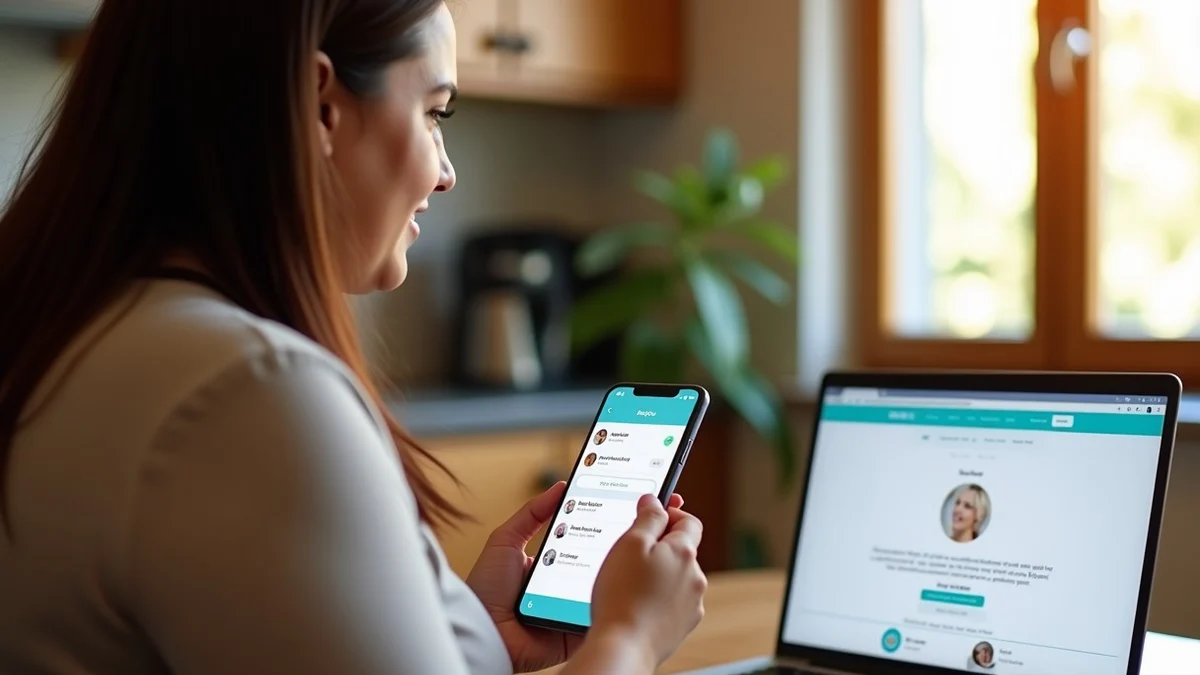
A plus-size dating site that feels welcoming but has no relationship-intent fields or weak reporting tools is a poor bargain for someone seeking a committed partner. For plus-size singles seeking a serious relationship, begin with WooPlus and compare it with a broader service such as eharmony, Match, Hinge, or OkCupid. The best fit is the one that combines room for a full profile, stated intentions, firm action on degrading messages, and enough nearby people to make paying worthwhile.
Published by Dating Online
Serious relationship goals change which platform features matter

Start by comparing WooPlus, a service aimed at plus-size dating, with a general dating service such as eharmony, Match, Hinge, or OkCupid. Community fit matters, but commitment needs its own check. On serious-dating services, members can explain their lives, say what they want, and reply to more than a photo. Review the current account setup for relationship-goal fields, detailed profile sections, compatibility questions or prompts, and signs of what other members want.
Detailed profiles put work, family plans, faith, habits, and weekend routines on the table early. That produces better grounds for contact than a sparse gallery and a generic like. Messaging rules matter too. Some services limit first contact, require a mutual connection, or offer conversation prompts; inspect the actual rules before treating them as a selling point. Branding about long-term love is cheap. A profile system that exposes intentions and gives people material to discuss is much harder to fake.
Signs a dating site supports plus-size members with respect
Respect needs to show up in a service's features, not just in inclusive language on its home page. Read the current community rules and reporting flow. Look for harassment and sexual-content categories covering degrading body comments and fetishizing attention, a direct block function, and an explanation of what happens after a report. A form that labels every complaint as spam gives you little to go on. Leave a service that says nothing about abusive conduct. (A heart icon is not a moderation policy.)
Profile and contact controls deserve the same scrutiny. The account should let members limit unwanted contact, block an account without debate, and report a message from the conversation itself. Body-type filters narrow browsing, yet they also invite people to treat a person as a category. That trade-off makes strong reporting and blocking tools more important, not less. Before paying, test how many taps it takes to block and report an account, and read the service's wording around harassment. A serious relationship begins badly when the site asks members to absorb disrespect as the entry fee.
When a promising platform has few compatible people nearby

A plus-size-focused service with a thin local pool creates a different problem: the people who share your stated relationship aim may live far beyond a reasonable first-date radius. Test the area before buying a plan. Use the distance range you would actually travel on a weeknight, inspect how often compatible profiles appear, and note whether the profiles look recently completed or active where the service displays that information.
At 7:30 on a Wednesday, an Oakland member may find several appealing profiles at 10 miles and many more at 60 miles. Those are two different dating prospects: one permits coffee after work; the other turns every first meeting into a half-day trip. A limited unpaid trial exposes that gap quickly. It also shows whether new introductions arrive steadily enough to justify a paid tier. Current plan pages should spell out what messaging, filters, likes, or viewing access sit behind payment and what the full billing term costs.
Final platform shortlist
The sensible first shortlist pairs WooPlus with one general service—eharmony, Match, Hinge, or OkCupid—then judges both by the same six headings: stated relationship intent, treatment of plus-size members, reporting and blocking, nearby compatible profiles, profile and contact controls, and the full cost of paid access. Current provider pages settle what a plan gates; a brief account trial settles whether the people and conversations are there.
No brand should automatically come first. WooPlus is a direct community-fit option, while a general service shows whether a wider dating pool offers better local prospects. Skip any option with vague harassment rules, profiles that hide intentions, or a paid wall that appears before you can judge the local pool.
The best dating site for a plus-size single seeking commitment is one where people state what they want, body-based harassment has a clear reporting route, and nearby profiles justify the cost. WooPlus belongs in the comparison because of its focus; a general service belongs beside it to test the wider pool. Respect and relationship intent are baseline requirements, not premium extras.
Sources for this guide
- WooPlus — official information — WooPlus
- eharmony — official information — eharmony
- Match — official information — Match
- OkCupid — official information — OkCupid
- Hinge — official information — Hinge