
Choose a dating app based on the control it gives you before you judge its profiles. LGBTQ singles in Lincoln should favor services with clear reporting and blocking, adjustable profile exposure, respectful identity fields, and enough nearby people to support the kind of dating they want. A large pool means little when the app leaves users exposed or forces a poor fit through its settings.
Published by Dating Online
Signs an app takes LGBTQ user safety seriously
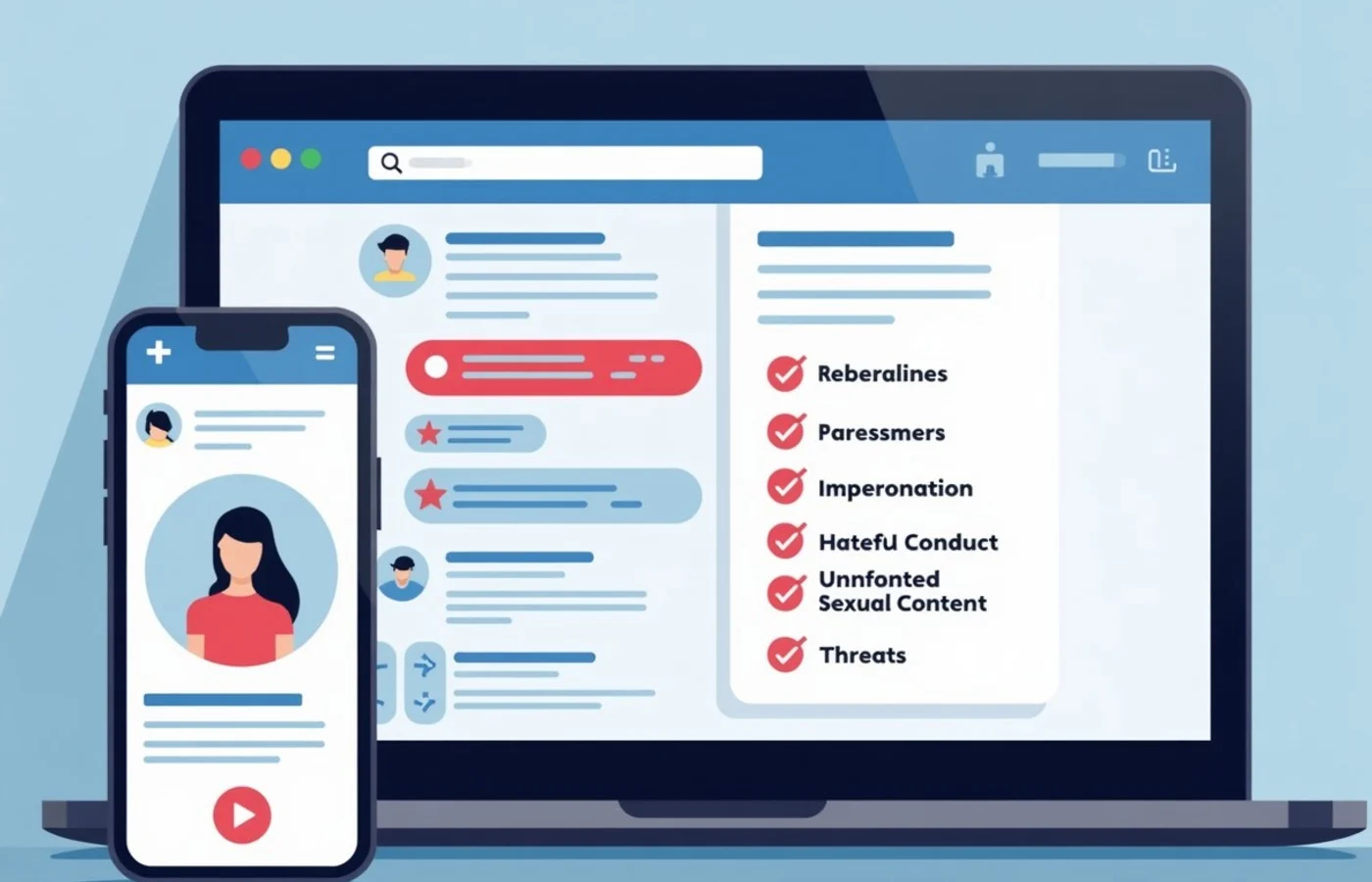
An app earns trust through what happens after someone crosses a line. Read its enforcement rules before building a profile. The policy should plainly address harassment, impersonation, hateful conduct, unwanted sexual content, and threats, then explain how users report those problems. Vague language about keeping the community respectful is thin cover. A service that takes enforcement seriously gives a report path from the profile and the conversation, identifies the information a report needs, and explains what blocking changes.
Profile verification adds a hurdle for impersonators, though it is not a character reference. Look for an explanation of what verification confirms and whether a verified status appears on a profile. Reporting should not require a public confrontation or a lengthy search through account menus. A block should stop the account from contacting and finding you through the service. For LGBTQ people dating around Lincoln, those controls matter before a first match: a profile can be removed from your space quickly when somebody becomes hostile, pushy, or deceptive. A rainbow logo alone proves nothing (the enforcement tools do).
Which privacy controls matter for LGBTQ singles?
Location settings shape more than distance. A profile shown only by city gives a different level of exposure from one that reveals precise proximity. In Lincoln, choose the smallest location area that still produces dates you would actually meet. Visibility controls deserve the same scrutiny: some people want a profile available only to people they have liked, while others accept wider discovery. Contact permissions, private-photo access, and controls that limit discovery by known contacts all reduce unwanted exposure.
Hiding every part of a profile is not the only answer. The stronger arrangement lets you decide which details appear, to whom, and when. For example, a person using a public profile with a broad radius may draw more attention but has less control over who encounters it; someone who limits discovery and releases photos after a match accepts a narrower pool in exchange for more control. Review gender and orientation display separately from matching preferences. An app that collapses those choices into one label asks users to give up information they should direct themselves.
Inclusive identity settings improve both comfort and matching accuracy
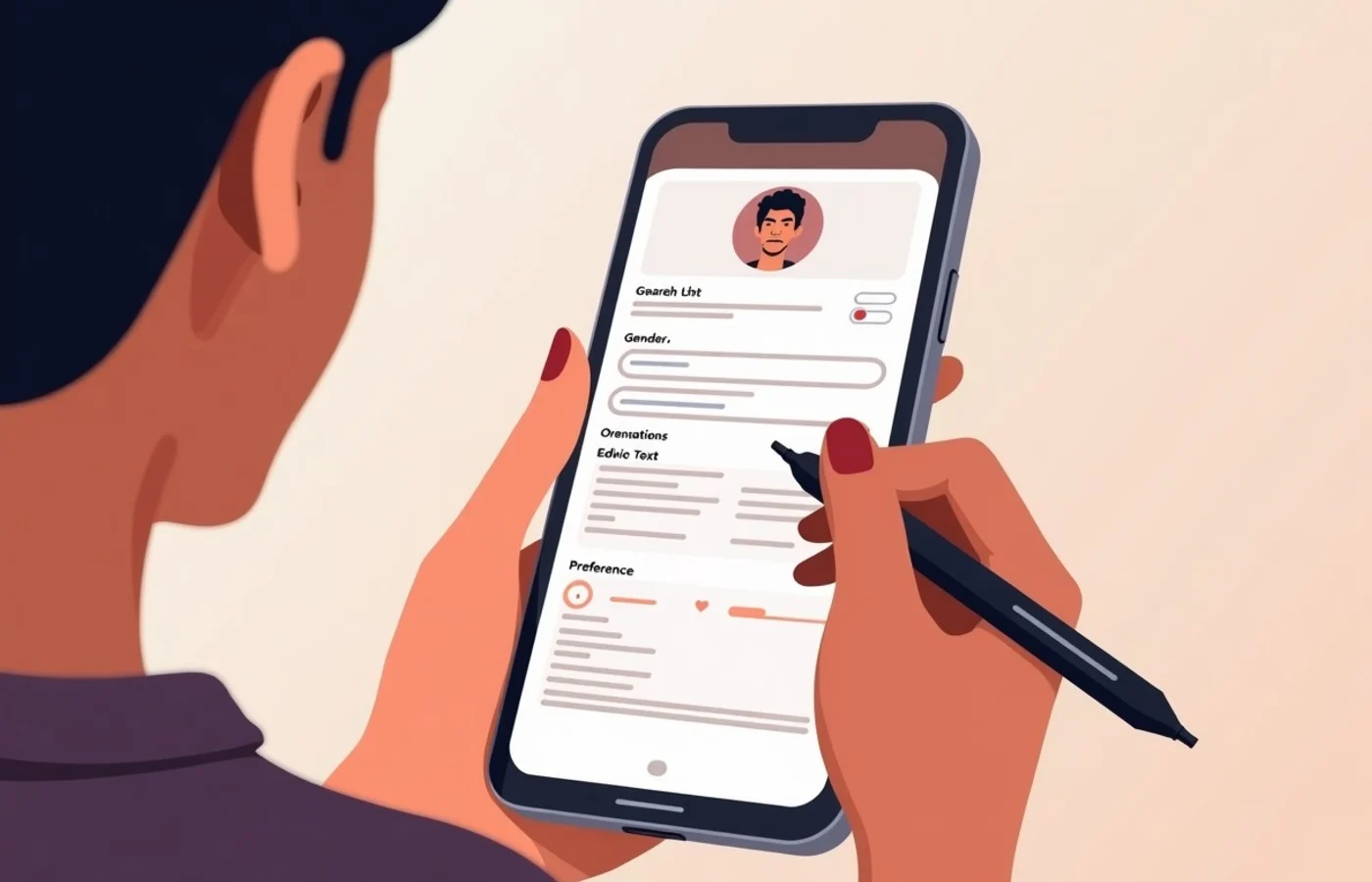
During profile setup, the identity fields decide who the service puts in front of you and who sees you as a possible match. Respectful gender and orientation options, pronoun fields, and editable descriptions allow a person to present themselves without squeezing into a category that misstates them. Those fields should remain editable; identity information and the words a person uses for it are not permanent account furniture.
Preference filters matter just as much. They should distinguish who you are from whom you want to date, and they should not quietly widen a search beyond the people you selected. In a smaller Lincoln-area pool, sloppy filters create wasted conversations fast. A service with limited but accurate identity settings is more honest about its limits than one that advertises inclusion while pushing irrelevant matches.
Lincoln-area reach and match-pool tradeoffs
- App Approach: LGBTQ-focused dating app Advantage For Lincoln: Identity and orientation settings often sit closer to the center of the matching experience, which reduces time spent correcting basic assumptions. Constraint: A narrower Lincoln pool can mean fewer profiles at a given distance, especially for specific identities or relationship intentions. Decision Test: Search your chosen radius, review profile completeness, and see whether the people shown fit the type of date you are seeking.
- App Approach: Larger general dating platform with inclusive settings Advantage For Lincoln: A broader service area can bring in more people from Lincoln and nearby communities, giving you more possible matches. Constraint: A bigger pool also brings more irrelevant profiles when filters, reporting, or identity options are weak. Decision Test: Confirm that orientation, gender, visibility, reporting, and blocking controls remain available before investing time in conversations.
Choose the service that preserves your control when an interaction goes wrong and still shows people within a distance you will travel. For LGBTQ dating in Lincoln, that means judging the report and block flow, profile exposure, identity fields, and local search radius as one decision. Leave any app that asks for more personal exposure than its controls justify.