
New Orleans rewards people who show up more than once; a single crowded night rarely tells you who shares your intentions. The common mistake is treating every bar, festival, or social feed as a dating venue. For genuine connections, put recurring, interest-led gatherings first, verify details with organizers, talk without presuming anything about a person's neighborhood or background, and follow a promising introduction with one specific public invitation.
Published by Dating Online
Signals that a New Orleans social setting fits your dating goal
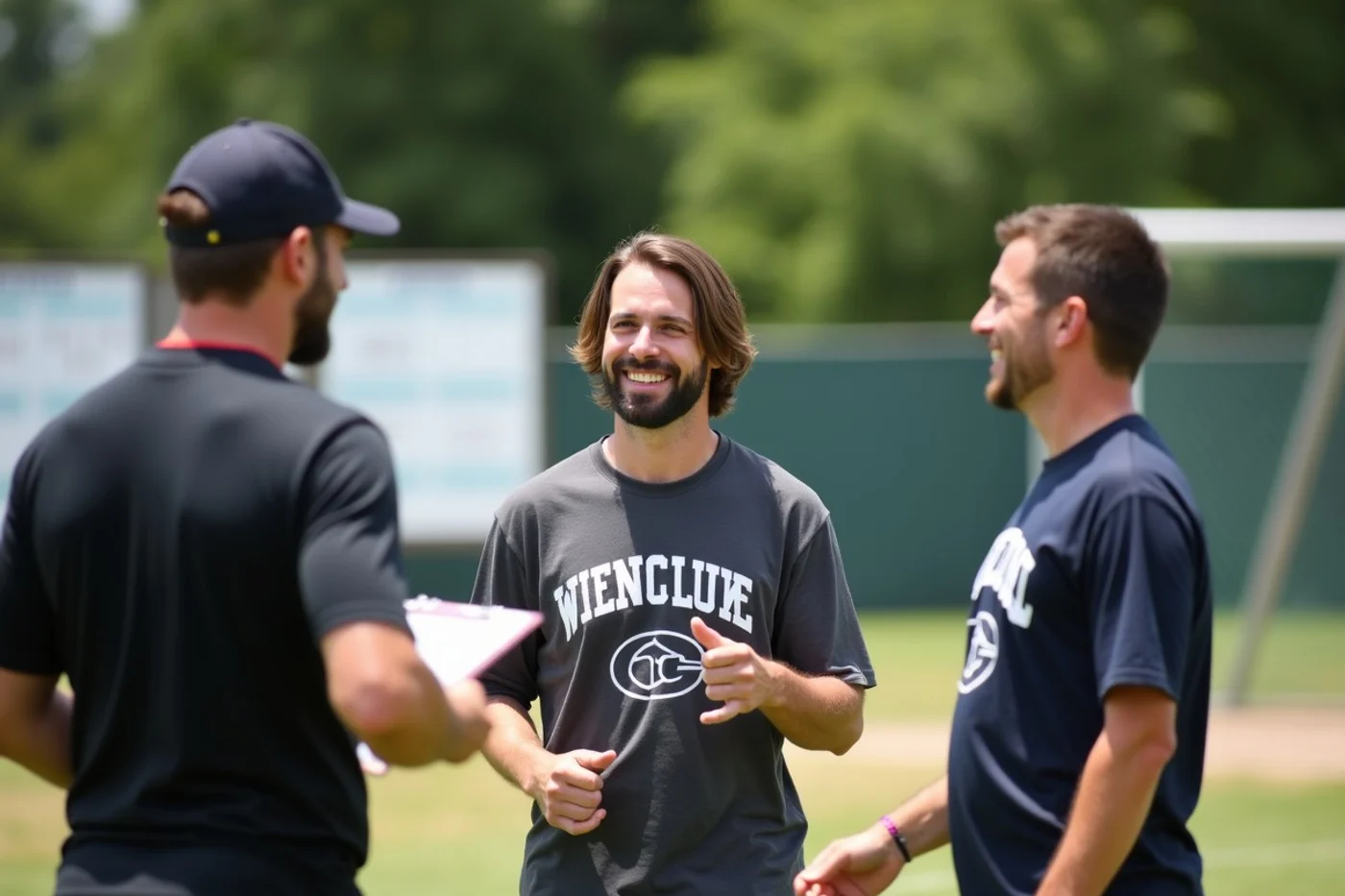
New Orleans rewards settings that bring people back. A one-off crowded dance floor creates quick encounters, but it rarely reveals whether anyone is open to a relationship. A weekly class, volunteer shift, neighborhood cleanup, book discussion, or recreational league puts familiar faces in the same place long enough for an introduction to have context. That repetition matters.
Read the event description before you go. A gathering billed as networking, a fundraiser, or open mingling suits broad socializing; an interest group with regular attendance and a stated singles or relationship-focused purpose better fits someone seeking dates. Smaller groups let you speak with several people without competing with a room-wide party. For example, a recurring Saturday morning walking group with a listed meeting point offers more natural introductions than an unstructured bar crowd. Pick settings whose format supports the connection you actually want.
Where can singles find current events and recurring communities?
- Begin with the organizer's own event page and the host venue's calendar. Social posts often retain old listings after a schedule changes; the dated listing tied to the host is the one to trust. Note the organizer's contact route before leaving the page.
- Then look beyond singles-only listings. Community groups, recreation leagues, arts organizations, volunteer groups, classes, faith communities, and professional associations publish their own schedules. Search by an activity you would genuinely attend in New Orleans, then subscribe to the group's calendar or mailing list so the next meeting does not depend on an algorithm.
- Check each listing twice: once when you find it and again on the day of the gathering. Confirm the date, start time, address, registration requirement, admission details, age limits, and whether newcomers or solo attendees are welcome. A calendar entry from last month is not a plan.
- Where the page leaves attendance rules vague, contact the organizer before heading out. One short question is enough: "Is this gathering open to someone attending solo, and do I need to register?" A reply also tells you whether the host is actively managing the event.
- Save recurring groups in a short list with their meeting day and neighborhood. That prevents the familiar New Orleans problem of finding something interesting at 5 p.m. only to learn it began at 5:30 across town.
Respectful conversation works better than forced familiarity

At a New Orleans gathering, the strongest opening usually comes from the activity already happening: a comment about the music, the class, the discussion, or the reason people assembled. Keep a comfortable conversational distance and let the other person decide whether to move closer or continue. Engagement shows in details such as a full answer, a question directed back at you, an open posture, and attention that stays with the exchange. Short replies, repeated glances across the room, turning toward a friend, or checking a phone call for space. Personal warmth still needs an invitation; familiarity should grow from mutual participation, not confident intrusion.
Local identity deserves the same care. Someone attending a neighborhood gathering does not automatically want to explain that neighborhood, represent its culture, or discuss their background. A cultural event is a shared setting, not permission to quiz someone about ethnicity, religion, accent, or family history. When the conversation has run its course, a brief courteous goodbye lets both people return to the event without embarrassment. Leaving well matters: it respects the other person’s attention and keeps the gathering comfortable for everyone.
A low-pressure path from introduction to date
An enjoyable conversation doesn’t need a grand escalation. When the gathering is winding down, say that you enjoyed talking and offer your contact details first. That leaves the other person free to share theirs without being cornered into handing over a phone number on the spot.
A vague suggestion creates extra work: someone has to guess whether the interest is real, pick a time, and revive the subject later. A specific, short public plan settles those questions. Propose coffee on a particular afternoon, a walk through a public market, or lunch near a workday route, with a clear time window.
For example, someone leaving a Thursday event before an 8:30 childcare handoff has little use for an open-ended plan. A public café meeting the following Saturday, limited to 45 minutes, respects that constraint and gives both people an easy answer. A decline, no exchanged contact details, or no follow-up deserves a gracious end—not a second attempt to negotiate interest.
Organizer pages, venue calendars, community group posts, and interest-based organizations provide the current details that matter: date, format, attendance rules, and whether newcomers are welcome. At the gathering, let the shared activity carry part of the conversation and leave graciously when interest is not returned. A specific invitation for coffee, a walk, or another public plan turns a good introduction into an actual date without making the moment heavier than it needs to be.