
Chicago’s dating geography matters: a match across the city demands more planning than one a few nearby blocks away. To meet gay singles in Chicago, use a mix of dating apps with stated intentions and recurring community settings such as sports, volunteering, arts, classes, and interest-led social events. The common misstep is treating every gay-friendly room as a dating room, or every app match as nearby enough for a routine. Build around places and schedules that you’ll actually return to.
Published by Dating Online
Where can gay singles meet beyond nightlife?
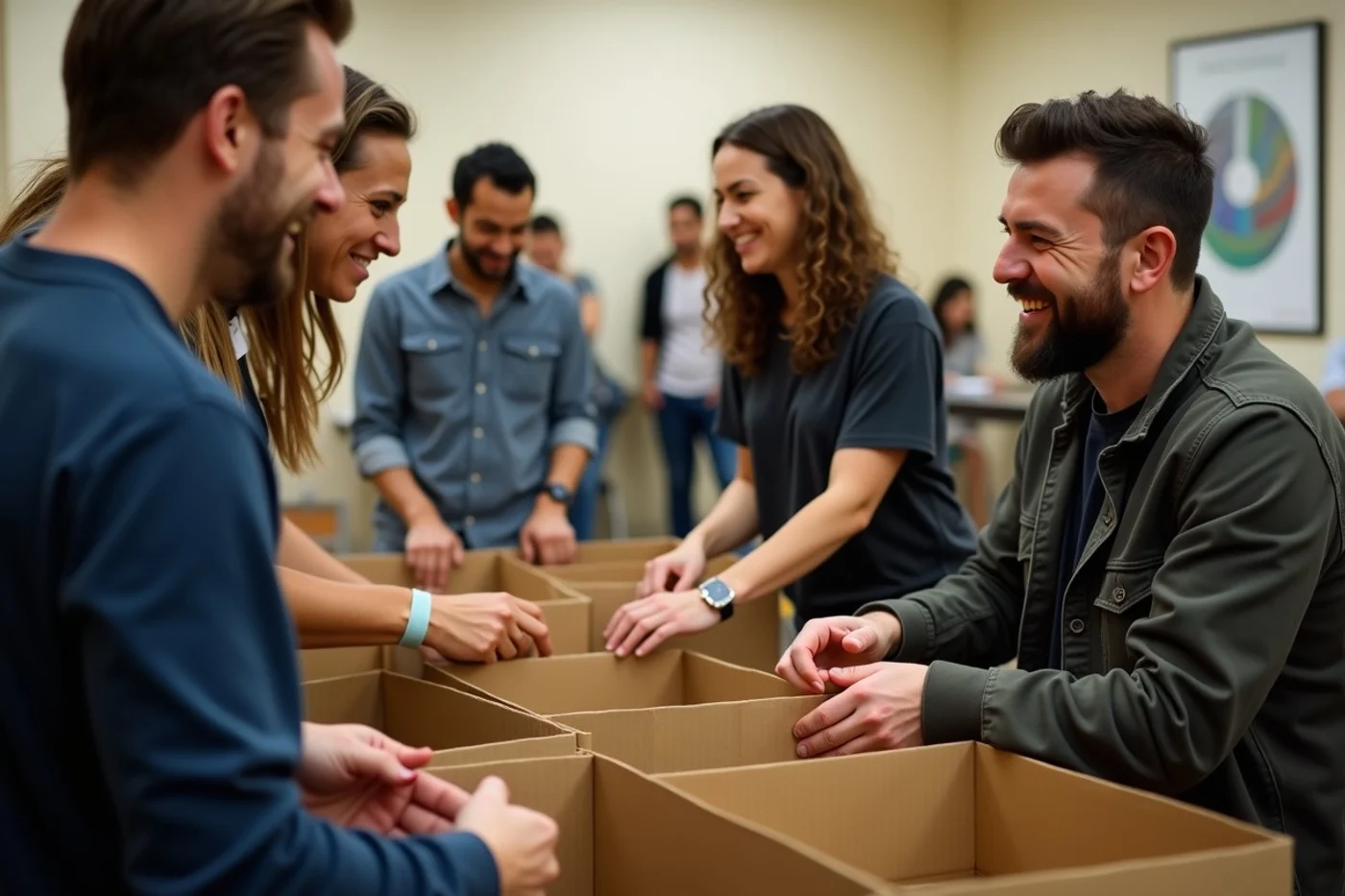
Nightlife puts many people in one room, yet it rarely tells you who is open to a date, free on the same nights, or interested in the same kind of connection. Chicago LGBTQ community organizations offer a fuller setting: volunteer teams, peer social groups, discussion circles, and fundraising work give people a reason to talk more than once. That repeat contact matters because a conversation has somewhere to go besides a loud bar.
Interest-led groups answer a different question: what will you have in common after the introduction? Gay sports leagues, arts groups, professional networks, cooking or language classes, and book or film gatherings put an activity at the center. A league practice creates brief conversations between drills and a natural invitation after; a gallery talk attracts people seeking a quieter exchange. Neither setting promises dating, which is precisely why it often feels less forced.
Look for gay social events that state their audience and format. A mixer, seated dinner, hike, workshop, or volunteer shift asks for different levels of conversation and time. Pick one recurring commitment you’d attend even without a date in view.
Dating apps work better when intentions are visible
Apps compress a big question into a few labels. On platforms that offer relationship-intent filters, use the labels to narrow the field: casual dating, a committed relationship, friendship-first, or open to exploring are different starting points. A filter is only a first screen; profile prompts explain what a label means in a lived week.
A short line such as “Interested in a relationship, happy to begin with a coffee and conversation” says more than a stack of vague adjectives. Early messages should cover the point plainly: whether each of you is dating casually, seeking something serious, building friendship first, or still figuring it out. That discussion prevents a pleasant chat from carrying two incompatible expectations.
When neighborhood distance becomes a dating constraint
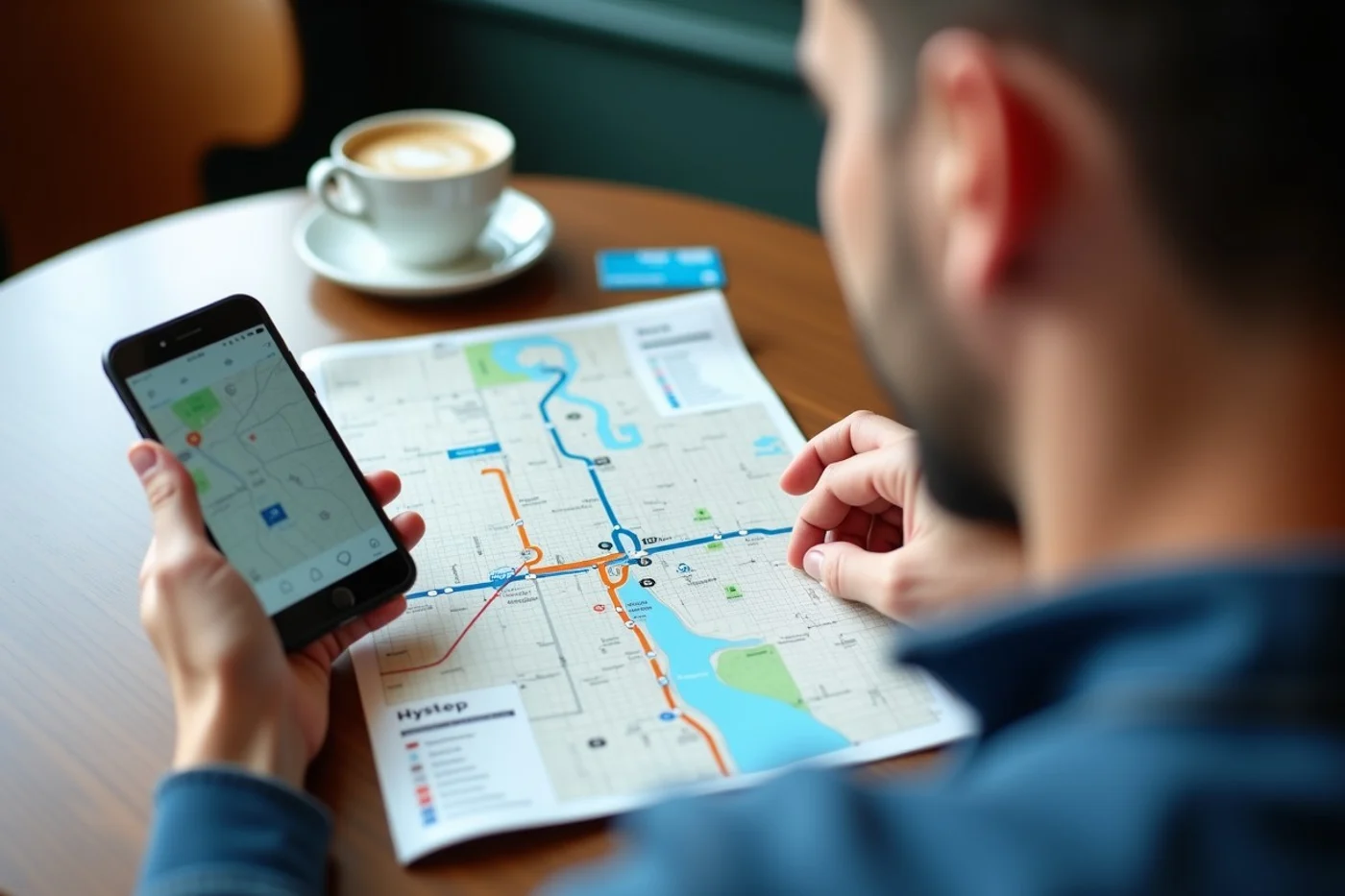
Chicago’s map turns compatible profiles into a scheduling question. A search radius should match your usual routes, not the farthest point you would travel once. Lakeview and Andersonville may fit easily into the same week for someone already moving along the North Side; a match across to Hyde Park asks for a longer trip and firmer plans.
Transit preference matters as much as the line between two neighborhoods. A hypothetical match with one person near Lakeview and another in Hyde Park faces two choices: meet near one person’s home and place most of the trip on the other, or select a midpoint that adds transfers for both. Profiles that mention a general neighborhood, car access, or reliance on transit cut down on plans that never leave the chat.
Signs that an event matches your social style
- Event Format: Sports league, workshop, or volunteer shift What Supports Conversation: A shared task supplies immediate subjects and breaks up the pressure of a long introduction. What To Check: Conversation arrives in short intervals, and the activity may take priority over dating.
- Event Format: Small recurring book, arts, or discussion group What Supports Conversation: Familiar faces and repeat attendance give quieter people time to become known. What To Check: Read the stated audience and age mix; some groups are broad community spaces, not singles gatherings.
- Event Format: Large gay social mixer What Supports Conversation: Many new people are present, and dating is often an understood part of the evening. What To Check: Noise, crowds, and brief exchanges suit outgoing attendees more than people who prefer an activity or smaller table.
- Event Format: Professional or age-defined social group What Supports Conversation: Shared work life or life stage narrows the opening conversation. What To Check: Confirm whether the group welcomes dating-minded attendees or centers on networking and friendship.
Respectful approaches in community and dating spaces
Community spaces are shared ground, not a standing invitation. At a league practice, class, or volunteer shift, begin with the activity and introduce yourself without cornering someone who is working, arriving with friends, or trying to leave. A longer exchange, reciprocal questions, and an unhurried moment after the activity provide a better opening for a one-time invitation to coffee or another public plan.
Dating spaces warrant the same care, though an app match already establishes that dating is part of the setting. Respect a decline or lack of interest with a brief, friendly acknowledgment, then move on. Don’t press for a reason, seek a second answer at the next gathering, or turn mutual friends into messengers. Chicago’s recurring queer community is not so large that casual disregard stays separate from the room; returning with normal warmth protects the class, team, or volunteer shift for everyone.
Chicago offers many places to meet, but the deciding condition is whether your neighborhood, transit habits, and free evenings line up with another person’s. A weekly class near home and an app radius that reflects your actual trips produce more plausible plans than a broad search full of distant chats. Prioritize the routes and rooms you’ll return to.