
Imagine leaving a Sunday service in Texas and realizing that familiar faces tell you nothing about who is open to dating. To meet Christian singles in Texas, focus on three routes: congregational life, regional interchurch gatherings, and faith-forward online communities. The right route depends on how closely you want a relationship tied to your church, how far you’re prepared to travel, and which parts of faith shape daily life.
Published by Dating Online
Where do shared-faith connections happen across Texas?
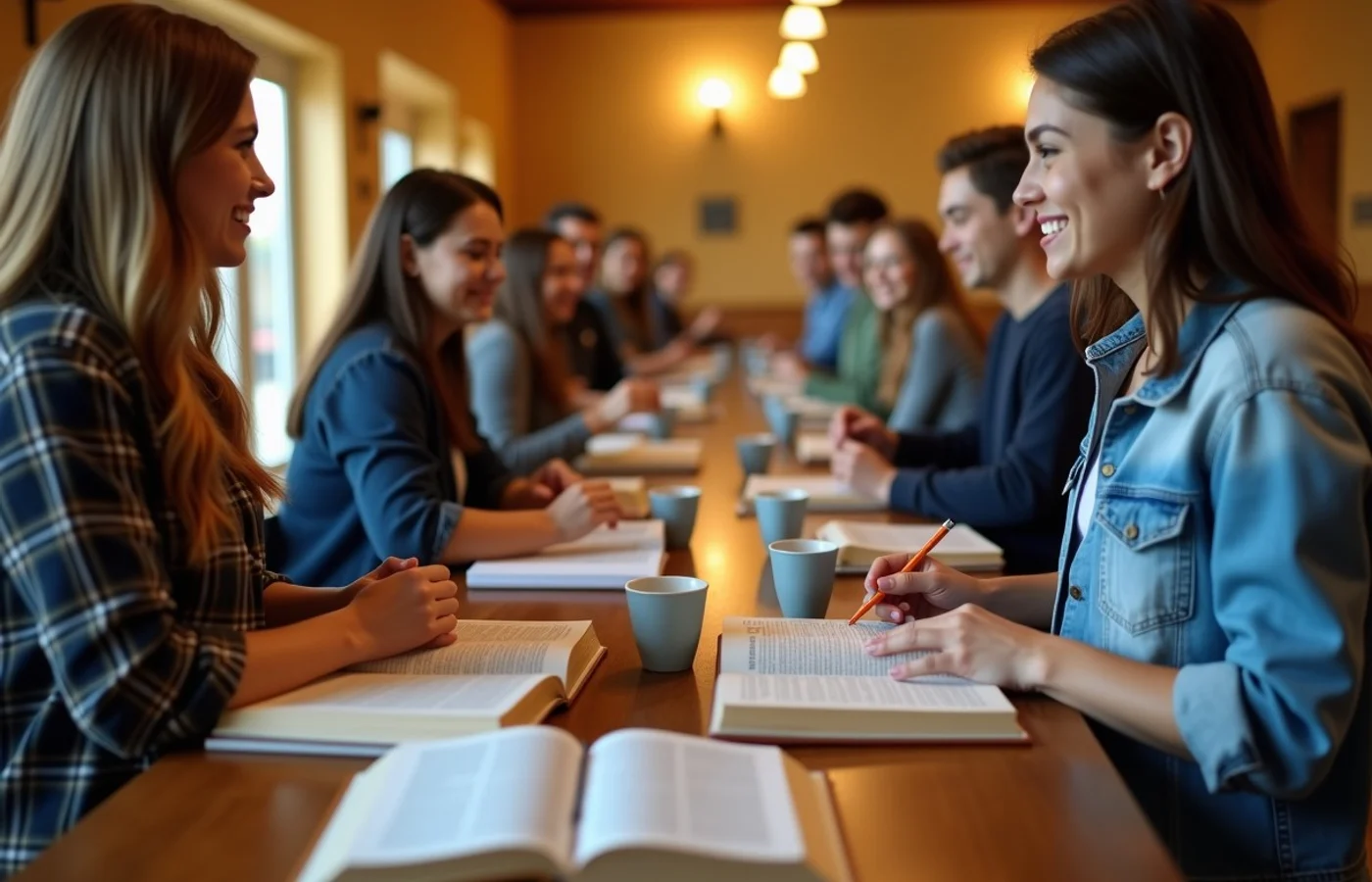
Weeknight calendars often reveal more than Sunday attendance. Adult small groups, service teams, classes, and shared meals at a congregation put people in contact over several weeks with a common setting already in place. This route suits people who want church life and dating life close together. It also permits a private conversation after an event, not an announcement to the room.
Regional gatherings suit Texans whose home congregation is small or whose work schedule limits regular group attendance. Interchurch service projects, retreats, social sports, and Christian professional networks bring together people beyond one congregation. In Dallas-Fort Worth, Houston, Austin, and San Antonio, that wider circle matters because nearby neighborhoods still contain separate church communities. Friend introductions work well when both people know the purpose. Faith-forward online dating communities add a third route, especially for people in smaller cities and rural areas who need to screen for church involvement, relationship intentions, and travel distance before investing a weekend.
Denomination and practice matter more than a generic Christian label
A Sunday attendance record says little about how two people will share a life. Denominational background affects worship style, church authority, sacraments, and the place a congregation holds in family life. Practice is just as important.
Weekly worship, prayer, service work, sexual ethics, family expectations, and hopes for church involvement all shape compatibility. Two people who both identify as Christian may still want very different rhythms around children, giving, holidays, friendships, and marriage. Differences do not automatically end a connection. They become consequential when one person expects a shared church home and the other treats faith as private or occasional.
When distance turns a local search into regional dating

Texas mileage changes the terms of a match. In Houston or Dallas-Fort Worth, people on opposite sides of the metro area often face a long drive despite living in the same urban region. A suburban connection may work when both people have predictable evenings, but one midweek date plus Sunday worship may mean two substantial round trips each week.
From a small city to a rural county, the search becomes regional much sooner. That larger pool is an advantage, yet meeting frequency drops when every date requires advance planning. Church location carries weight here: a person deeply rooted in a congregation, volunteer role, or nearby family has less freedom to relocate. Future relocation deserves discussion early when the distance already reaches beyond a normal local date.
Signs that a church or group welcomes singles respectfully
Singles ministries become uncomfortable when attendance is treated as proof that someone wants to date. Healthy groups state their purpose, identify their leaders, and keep participation voluntary. Age-appropriate programming helps people meet peers without being pushed into an ill-fitting social category.
Introductions work only when both people agree to them. A leader or friend should not pass along contact details, tease someone publicly, or turn a polite decline into group gossip. The group also needs room for members who attend for friendship, service, or faith formation and never intend to date there.
Gossip and romantic pressure drive people away from communities that should feel dependable. Any church group where rejection changes how someone is treated is a poor setting for dating.
Faith-centered profiles and early compatibility conversations
Profiles that say only Christian leave too much unsaid. A stronger profile names a denominational home when it matters, describes regular worship or service, and states the kind of relationship sought. For Texans, location belongs there too. A profile based in one part of a large metro area should indicate whether dates across the metro or trips to nearby cities fit the person’s life.
Early exchanges should move from daily practice to broader expectations: which church community feels like home, how prayer or service appears during the week, and whether dating is aimed at marriage. Questions about worship, church involvement, sexual ethics, and family life belong early, but they need not arrive as a checklist. Sharing your own commitments before seeking another person’s account keeps the exchange human. Nobody needs a doctrinal interview before coffee, but a vague faith label is not enough for people seeking a shared religious life.
Before you move on
Is it appropriate to use a church directory to contact singles?
No. A church directory exists for congregational communication, not dating outreach. Public event sign-ups, a designated singles group, or a mutual introduction give both people notice of the context.
What should happen after a declined invitation in a church group?
The decline should stay private and should not alter either person’s place in the group. Both people deserve to keep attending worship, serving, and seeing friends without commentary from leaders or other members.
Do online matches need to attend the same church before a first date?
No. A first meeting is enough to establish whether faith practice and relationship intentions deserve further conversation. Shared attendance becomes more relevant once the connection has direction and both people are considering how church life would fit together.
Texas offers a wide field of possible connections, but scale alone does not solve compatibility. Put church practice, geography, and relationship intentions on the table early. The strongest meeting channel is the one that brings those facts forward without turning a worship community into a dating contest.