
An app's polished sign-up screen tells you almost nothing about the dates it may lead to. Compare dating apps by their relationship focus, the people using them near you, messaging rules, features that remain free, and controls over who can see and contact you. A large name alone is not a reason to join; the local pool and rules matter.
Published by Dating Online
Dating-app selection criteria
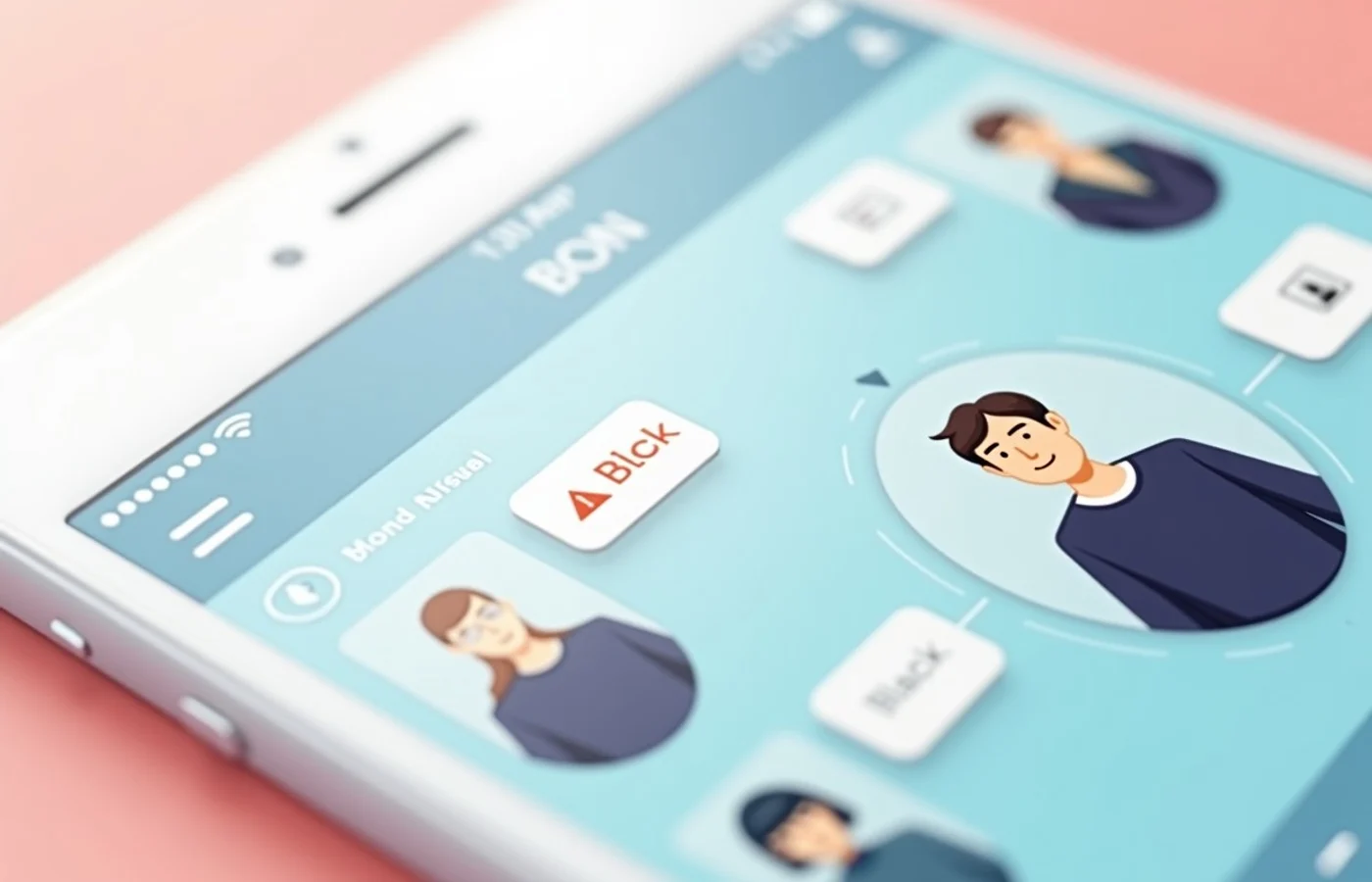
A dating app is a set of gates: who appears, how contact begins, what details show, and which actions sit behind payment. Its stated purpose should match yours—casual meetings, a committed relationship, or people connected by a shared faith, identity, or interest. The distance setting matters only when it reaches people you would meet.
Communication rules shape the experience. A mutual-match system limits unsolicited first messages; an open-message system brings more reach and more screening work. Look at blocking, reporting, profile visibility, and the app’s explanation of moderation before treating them as minor settings. Total usable cost also deserves comparison: identify what payment unlocks for browsing, messaging, filters, and visibility before calling an app free.
The right platform matches both your goal and your available dating pool
An app centered on a particular identity, faith, age group, or interest earns a place on your shortlist when that shared context is essential to your search. It often narrows the field, which helps when the people it gathers are present within your distance range. A broadly aimed service casts a wider net, though shared priorities need more sorting. Neither audience label proves that the nearby pool suits you.
Relationship prompts and filters show an app's intended use, while the profiles displayed show its local reality. Look for people within your age range and travel limit who state a compatible purpose. Where basic browsing is offered before payment, search at a narrow distance and then a wider one to see whether the pool holds up. Thin results at both settings are a reason to move on; expanding the radius until every date requires a long trip only hides the mismatch.
Free access can differ from usable access
Free signup is a marketing doorway, not a description of what a conversation costs. One service may allow profile viewing and mutual messaging without payment; another may reserve reading messages, sending messages, preference filters, or profile-visibility settings for subscribers. Those limits also shift, so a description written months ago is not enough.
Before entering payment details, the app's own help pages, in-app purchase screen, subscription disclosure, data-use policy, and recent app-store listing should explain what remains free. Check the renewal terms and the feature you would be buying. Free access matters only when it supports your route to a date: finding suitable people, exchanging messages, and controlling who sees you. Consider a paid tier only after the base version delivers relevant profiles and the locked feature solves a defined problem.
When privacy controls are a deciding factor
Control over who can find and contact you matters when an unwanted viewer, coworker, or former partner finding your profile would change how you use the app. A general data-use statement does not explain whether profiles appear to everyone, only to people you approve, or only after you act. It should also explain whether location appears as a broad area or a precise distance, and whether blocking stops further contact and profile discovery.
Readers concerned about unwanted contact should favor services with accessible reporting instructions, a simple block function, and a stated moderation path. Identity-verification options add another check, but they do not establish who is trustworthy. An app that buries reporting or offers no real ways to limit profile display fails a basic test.
Which app fits the relationship you want?
Two apps are enough for a serious first comparison. A longer roster produces more accounts and less attention to the terms that shape your experience. A shortlist of one broad service and, when relevant, one community-focused service keeps the comparison tied to the same relationship purpose, travel distance, communication route, payment limits, and exposure controls.
Marketing copy is built to get an installation; the rules you live under sit elsewhere. Official help pages spell out messaging and reporting procedures, data-use policies describe data and profile-display choices, subscription disclosures state paid limits and renewal terms, and recent app-store listings point to current version details and support links. Read those materials before paying, especially when one feature drives your decision.
A short trial with each finalist exposes whether the local profiles, filters, and conversation rules support the kind of dating you intend to do. During that period, run the search you would truly use, check who sees the profile, and locate the block and report controls before a problem arrives. At its end, retain the service that meets your nonnegotiables without pushing every basic action behind payment. No platform can guarantee safety or a compatible match.
A few details worth clarifying
Should I choose an app because a friend met someone there?
Not on that fact alone. Their match says little about the people in your local search range, the relationship they seek, or the settings you need. Use the recommendation as a lead, then compare the app for yourself before spending money.
Should I give a dating app access to my contacts?
Not by default. Contact access is separate from the main dating experience, so grant it only after you understand what it connects, suggests, or displays. Decline the permission when the app does not explain a benefit you want, and revisit the phone setting later if your decision changes.
Write down the one relationship outcome that matters most, then compare two apps against it before you upload photos or pay. The better choice will show a viable pool of people, a message route you accept, and settings you are willing to use. Everything else is decoration.