
For a graduate student, the best free dating app can accommodate irregular research hours, provide enough nearby matches, and allow basic conversation without an immediate subscription. Compare Hinge, Bumble, Tinder, and OkCupid on those points; their U.S. App Store listings show that each is free to download with in-app purchases. Check current app listings and official help pages before relying on filters, messaging limits, visibility controls, or pause settings.
Published by Dating Online
During an overloaded semester, low-friction matching matters most

- Feature: Filters and saved preferences Semester Fit: Distance, age range, and relationship-intent settings reduce daily browsing when research or teaching fills the calendar. Trade-off: Confirm that the settings are available without payment and that saved choices remain active after a pause.
- Feature: Notification controls and pause mode Semester Fit: Quiet hours prevent dating alerts from interrupting lab work, seminars, grading, or writing sessions. Trade-off: Check whether pausing hides the profile, stops new matches, or simply silences notifications.
- Feature: Asynchronous conversation Semester Fit: Text exchange works better for irregular schedules when a match can reply later without an immediate response demand. Trade-off: A match system with timers or short reply windows can create strain during conference travel or deadline weeks.
- Feature: Short browsing sessions Semester Fit: A focused daily check keeps the app from turning into another open-ended task. Trade-off: Broad discovery feeds offer more profiles to scan, but they also consume time without proving that the nearby pool is active.
Free messaging, matching, and visibility limits
Free download is only the entry point. For Hinge, Bumble, Tinder, and OkCupid, check the current listing and official help pages for the unpaid functions that determine daily use: seeing potential matches, sending and receiving messages, applying basic filters, and controlling profile visibility. Boosts, expanded filters, and other paid extras belong in a separate column because they affect reach, not the basic test of whether the app works for you.
Suppose an app lets you browse and send likes without payment but places every message behind a purchase. It is free to install, yet it fails the conversation test for a graduate student comparing no-cost options. Write down the exact free actions available before creating a profile, then confirm them again in the app; access rules change.
Campus reach matters only when the nearby pool is active
A large download figure says little about the people available around one campus, neighborhood, or train line. Set the distance around the places where you actually spend time, inspect the relevant age ranges, and check whether the app provides activity signals such as recent-use indicators. A campus-centered search and a home-centered search may produce very different results.
During a one-week trial, note the frequency of relevant new matches, not the total number of profiles shown. A pool is active enough for comparison when it produces people within your distance range and relationship preferences, with enough turnover to keep the same few profiles from filling every session. The same test applies to a graduate student moving between campuses for research: update the location setting and see whether the nearby results remain relevant.
Clues that verification, moderation, and privacy controls are meaningful
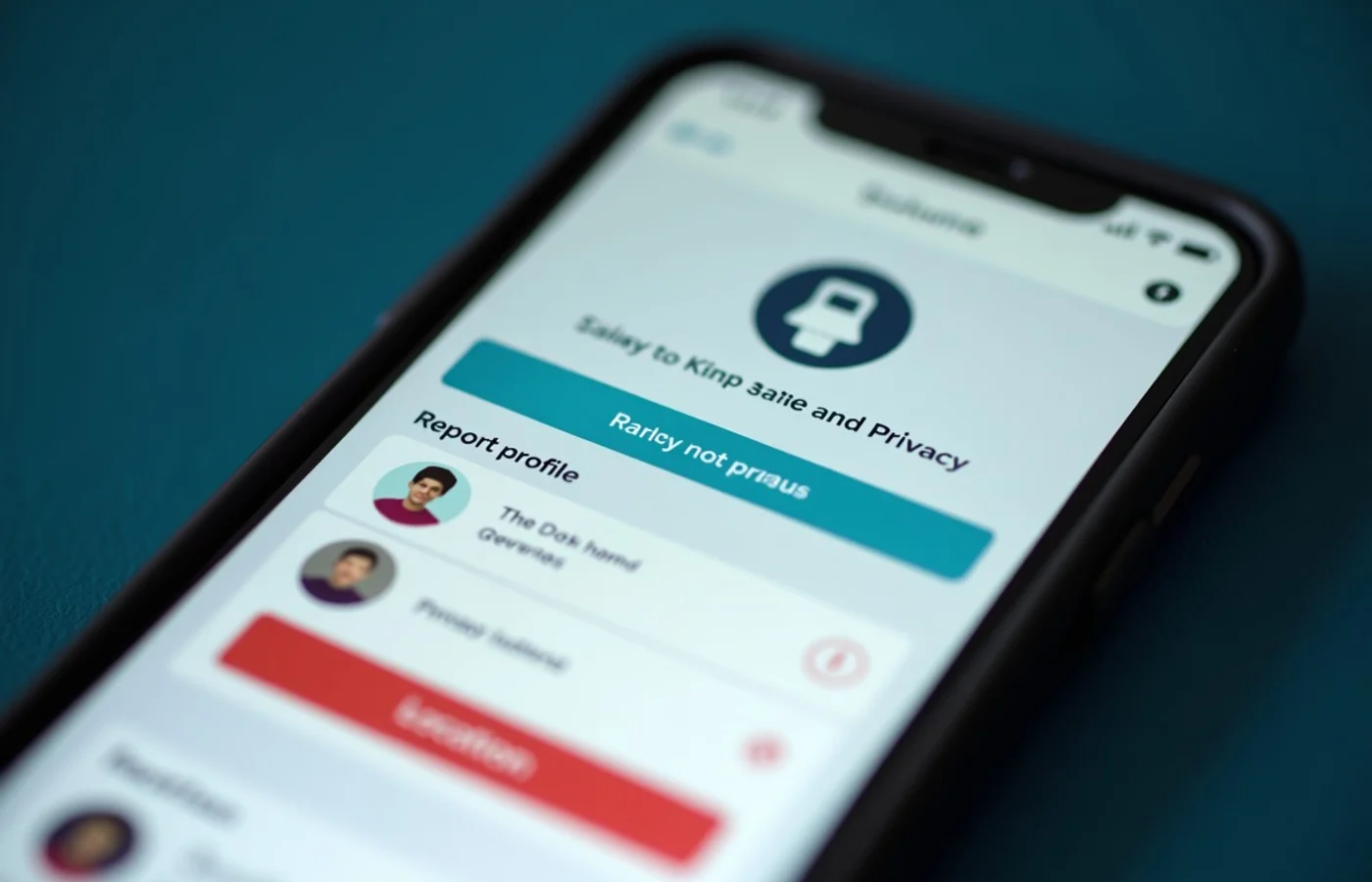
A verification badge needs an explanation. Check what the app says verification covers, how a suspicious account is reported, and whether blocking removes contact from future discovery. The reporting route should be easy to find from a profile or conversation, with help documentation that explains what happens after a report.
Academic identity calls for close attention. Look for controls that limit the display of a school, department, laboratory, workplace, exact distance, or linked contacts; a university affiliation can identify someone quickly in a small program. Location settings should state how much detail other members receive, and moderation pages should cover reports, blocked accounts, appeals, and enforcement. Missing explanations are a reason to keep the trial short, not something to overlook.
Broad social discovery or relationship-focused matching
Two app models produce different kinds of work. Broad social discovery emphasizes fast browsing and a wide range of profiles, which fits a student seeking casual exploration alongside a busy schedule. Relationship-focused matching puts more weight on stated intentions, compatibility information, and profile detail, which fits someone looking for a defined relationship and willing to spend more time assessing each match.
Hinge, Bumble, Tinder, and OkCupid can all be compared the same way: read each current description, review its relationship-intent settings, and check how the unpaid version handles interaction and visibility. Their free-download status answers only the first question. Choose the service whose current setup supports the kind of connection you want, at a time cost you can sustain during the semester.
Evidence that a free app is worth keeping after one week
A seven-day trial should answer seven questions: How long did setup take? Did the app show relevant nearby matches? Did free messaging support an actual conversation? Did browsing take more time than planned? Were the free filters and visibility controls enough? Did account-sharing settings work as expected? Did the app give a verified reason to consider payment?
Count relevant matches and conversations, then compare the result with the minutes spent each day. An app that produces many profiles but no suitable exchanges is poor value at zero dollars; an app with a smaller pool and conversations that continue merits closer consideration. Consider payment only after confirming the paid feature, its current terms, and its stated benefit in the app's official information. Otherwise, let the unpaid trial stand as the full result.
Graduate students need a free dating app worth the time in a crowded week. Hinge, Bumble, Tinder, and OkCupid all provide a no-cost download, but messaging, filters, reach, profile exposure, and paid visibility still need checking. A one-week comparison shows the real tradeoff: whether the unpaid experience produces relevant local conversations without consuming study time or revealing more academic identity than intended.